
Last updated September 22, 2026
Free written scope consultation - allowances, timeline, and change-order rules on paper before a single trade is scheduled

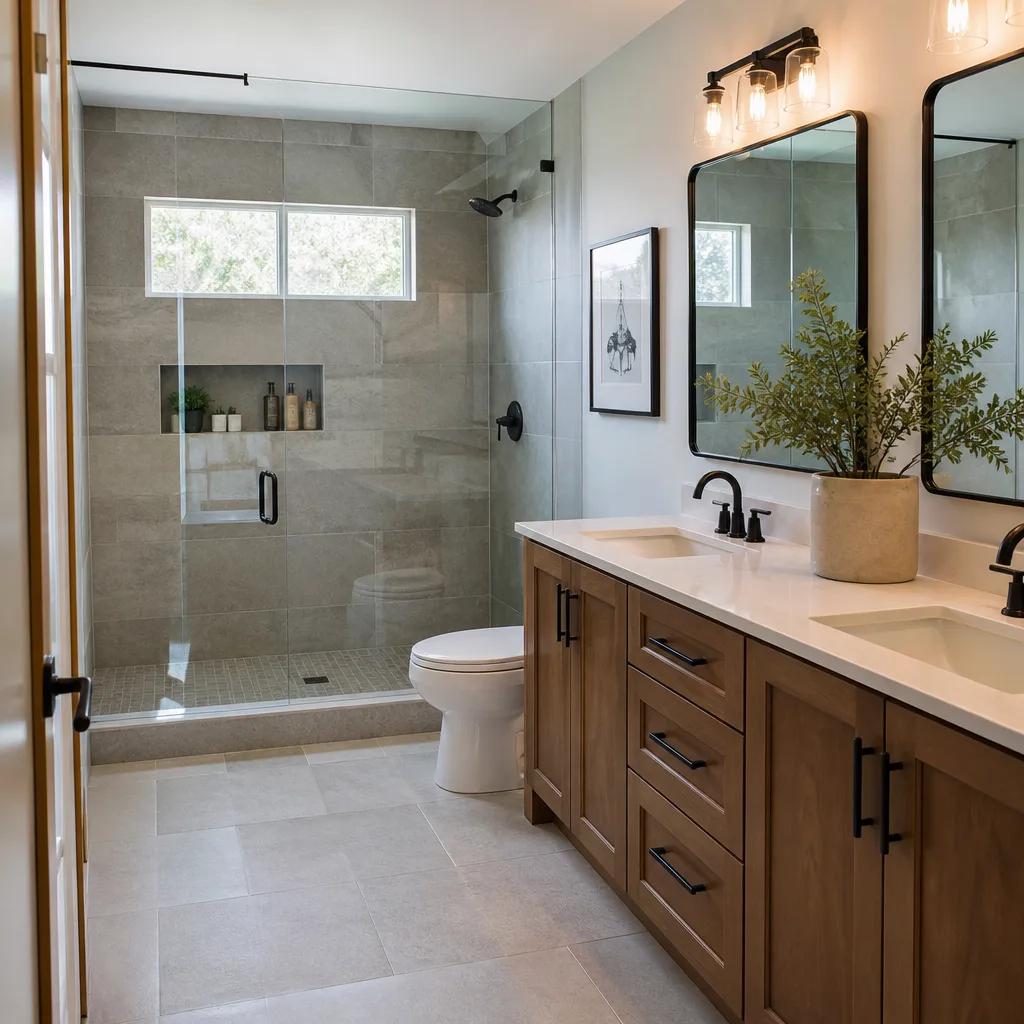


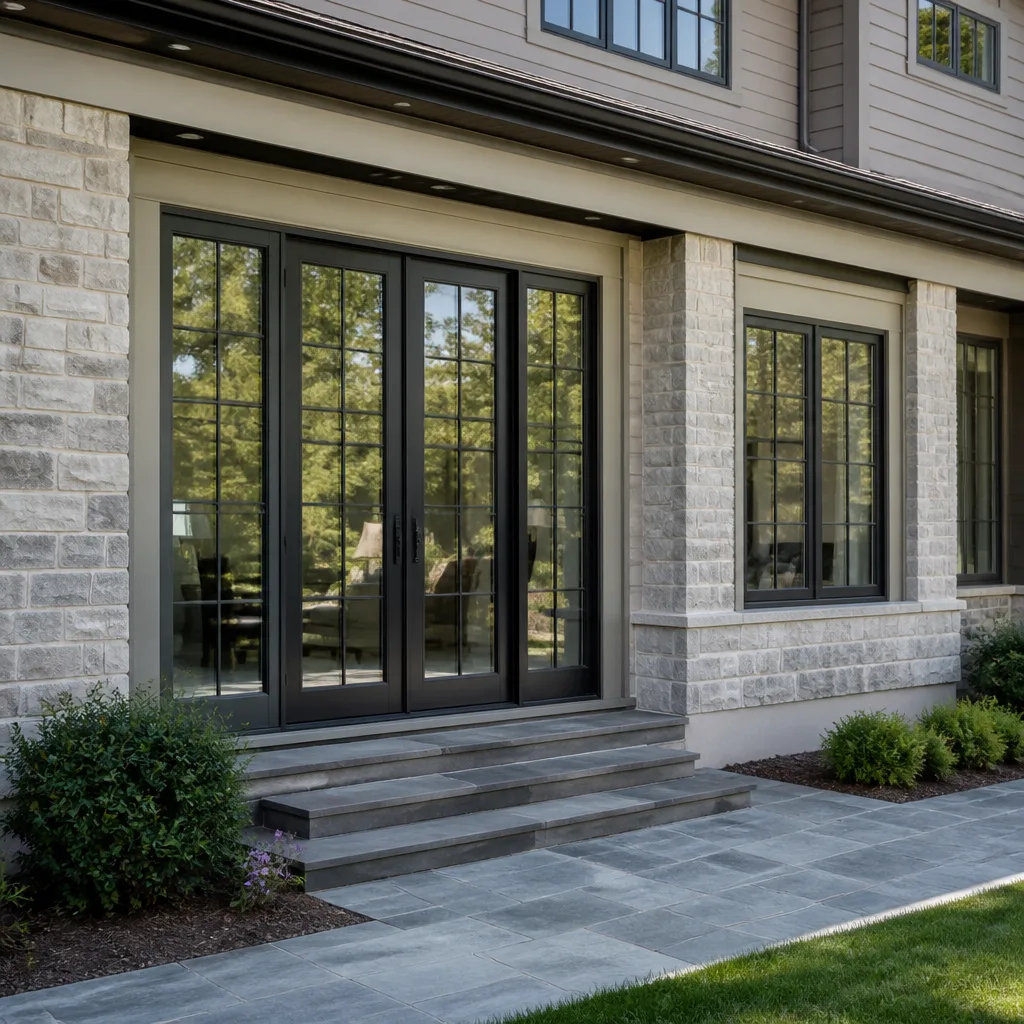
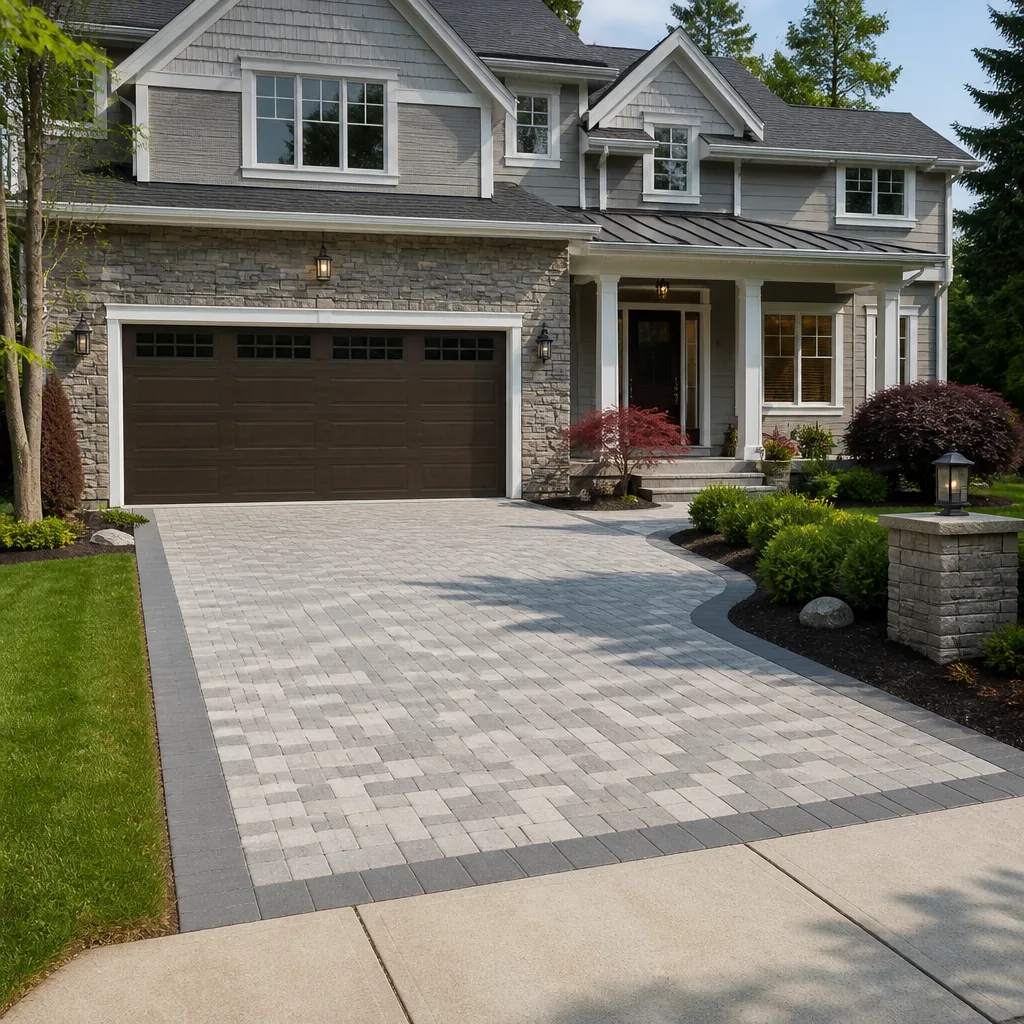
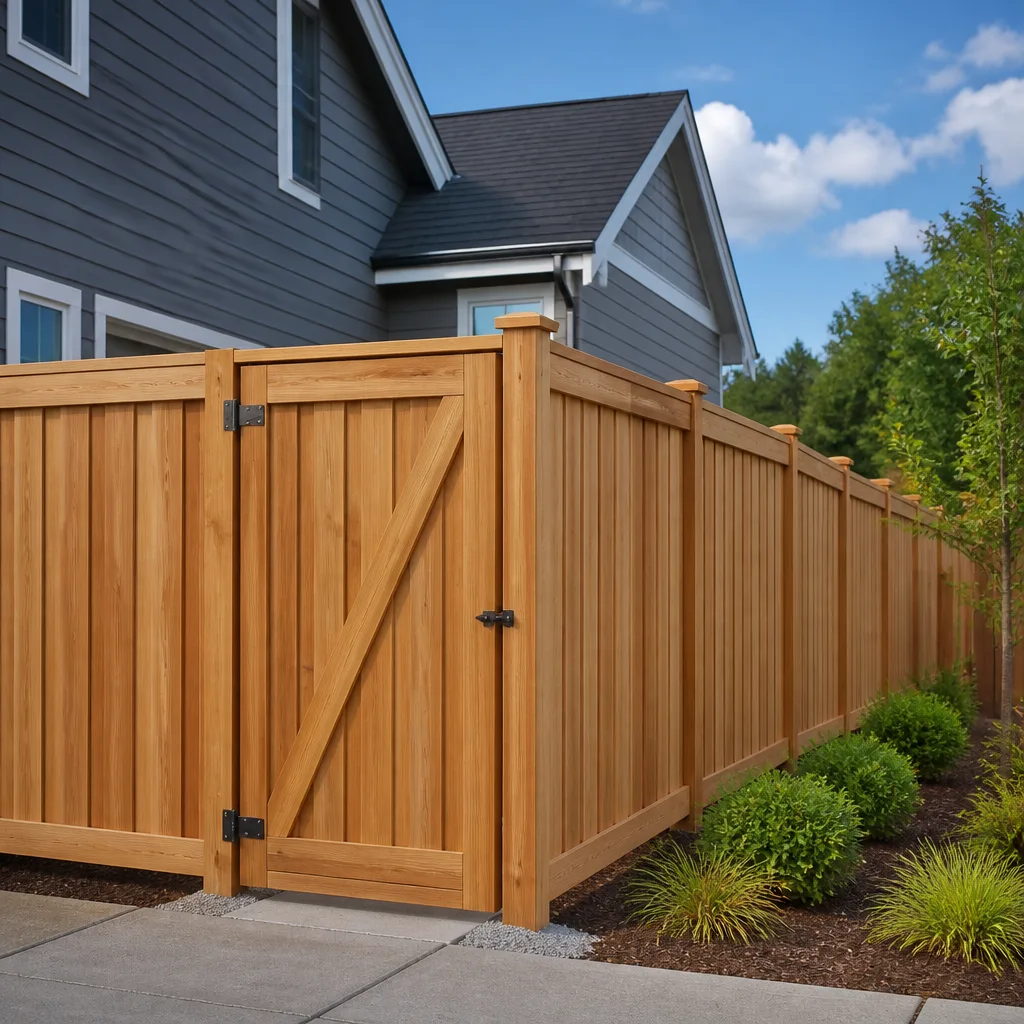
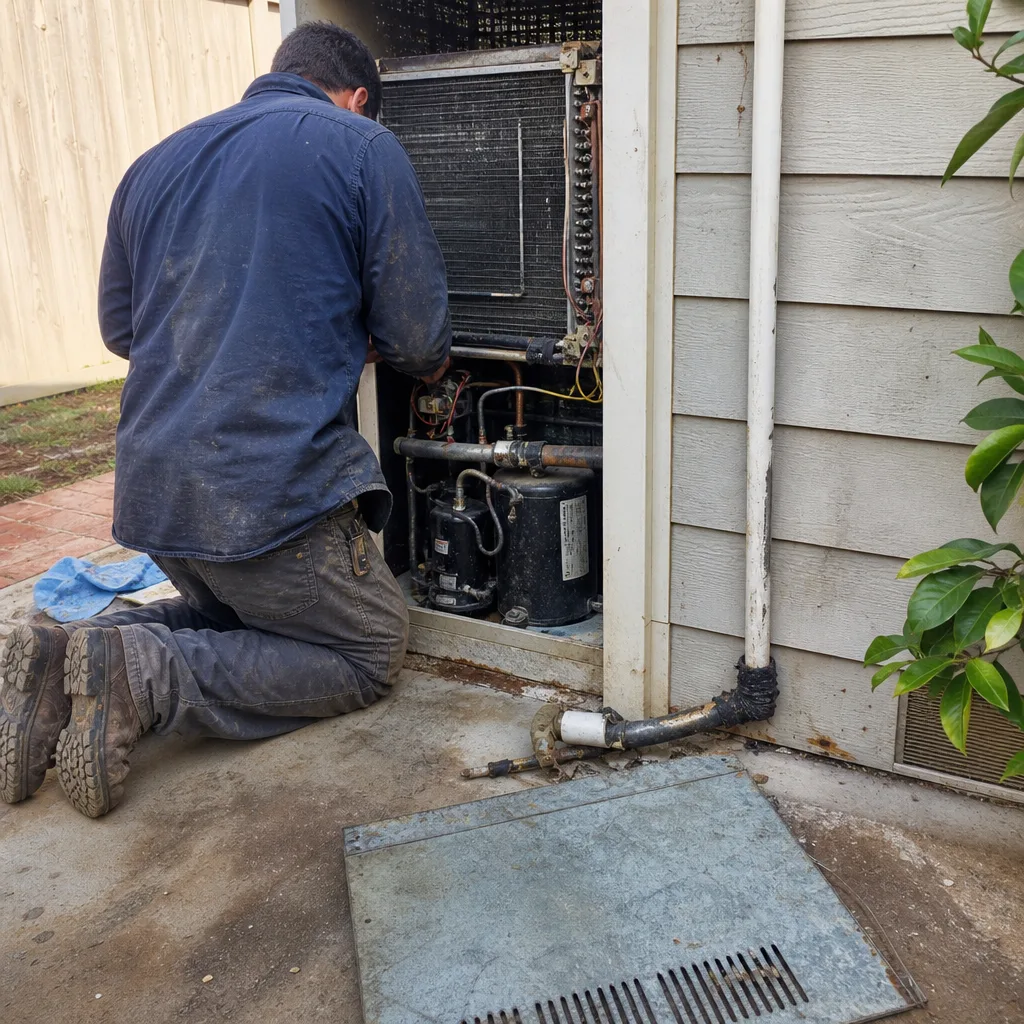 Before
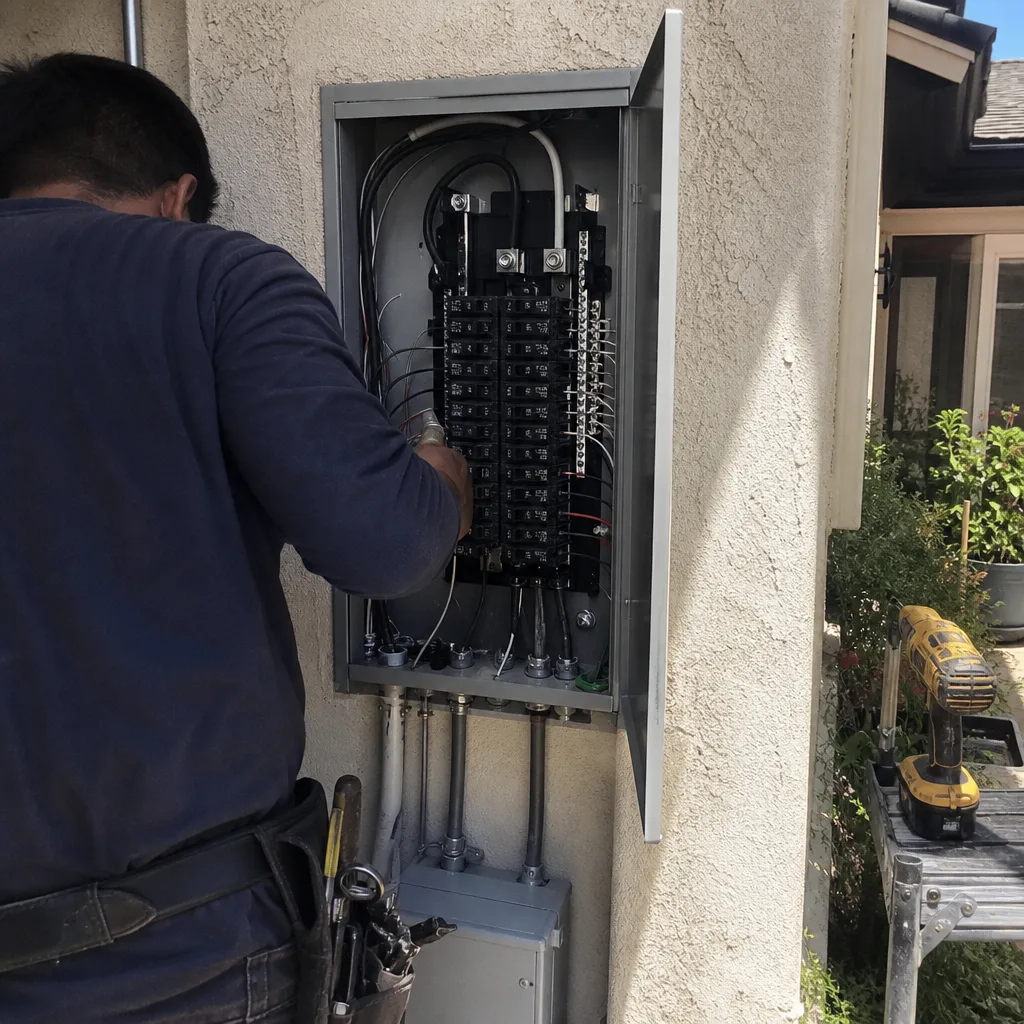 After
After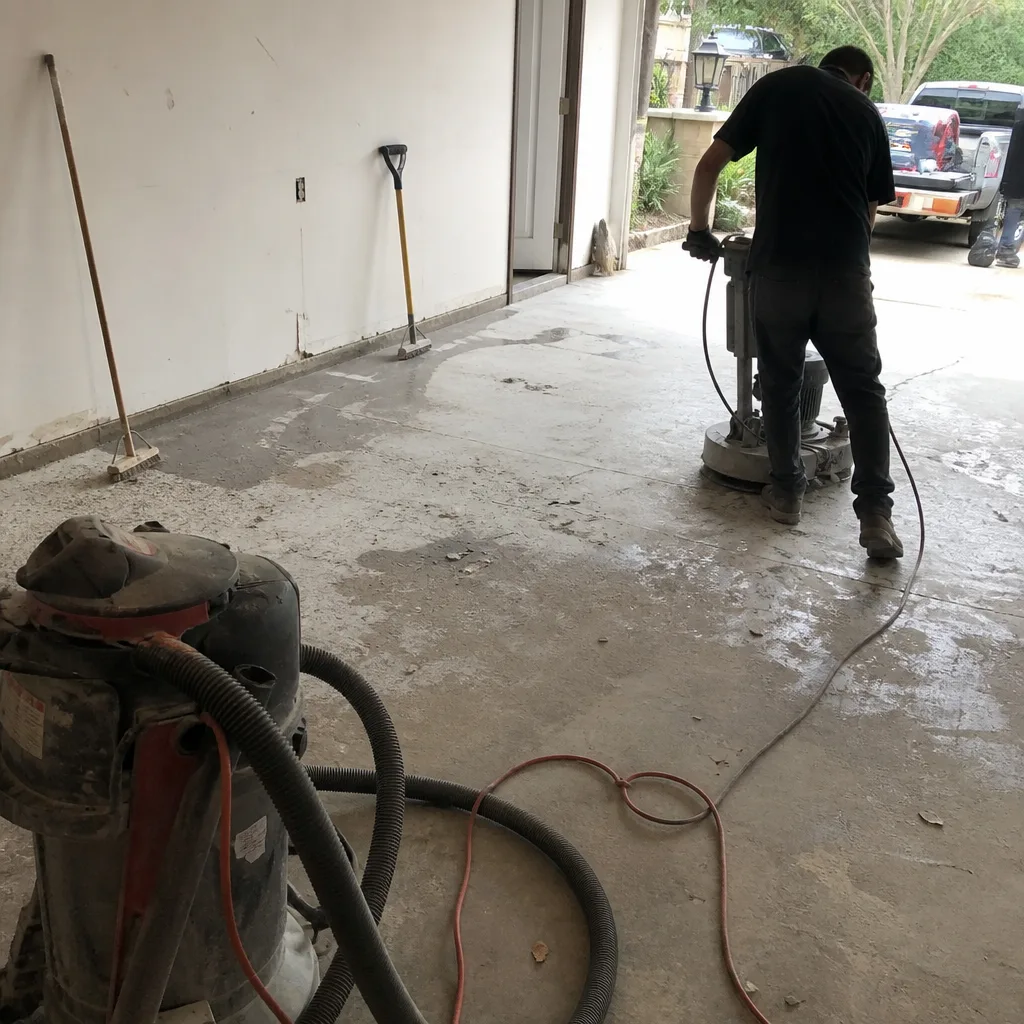 Before
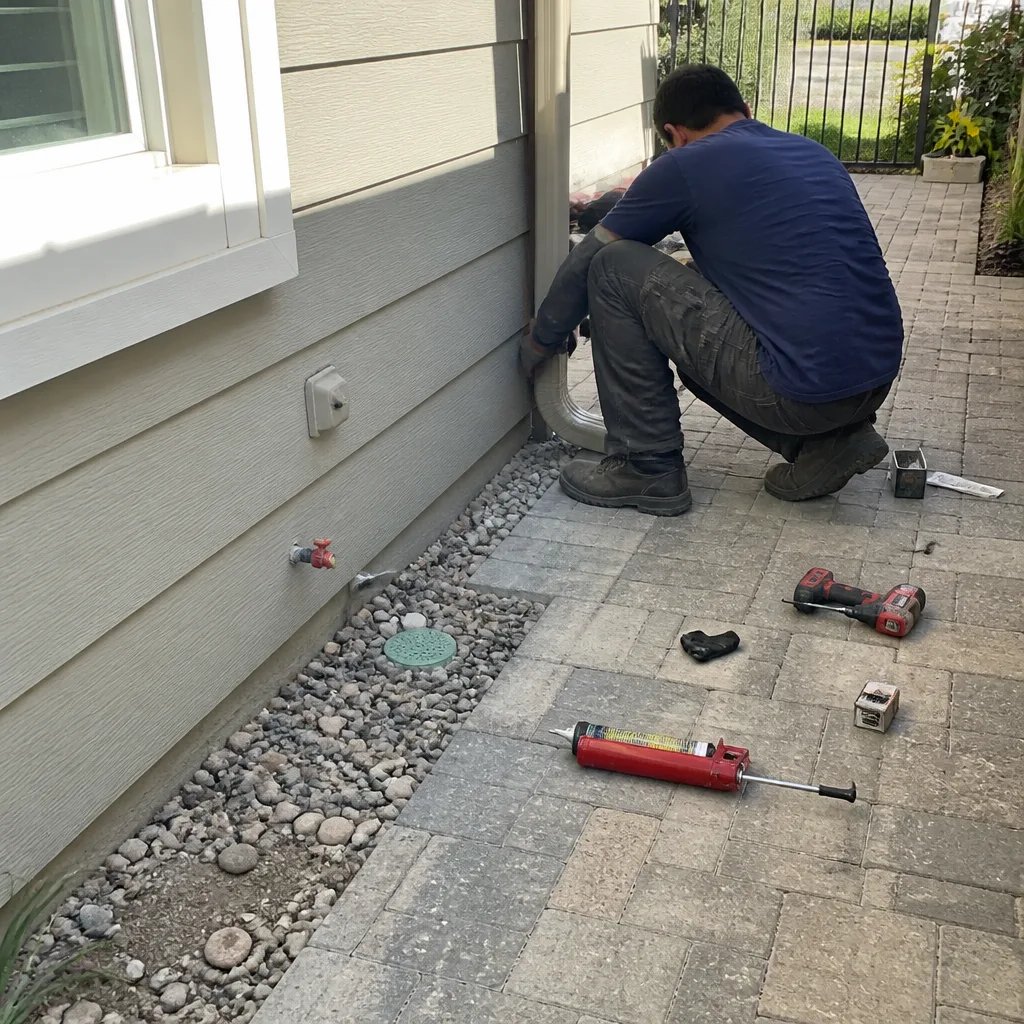 After
After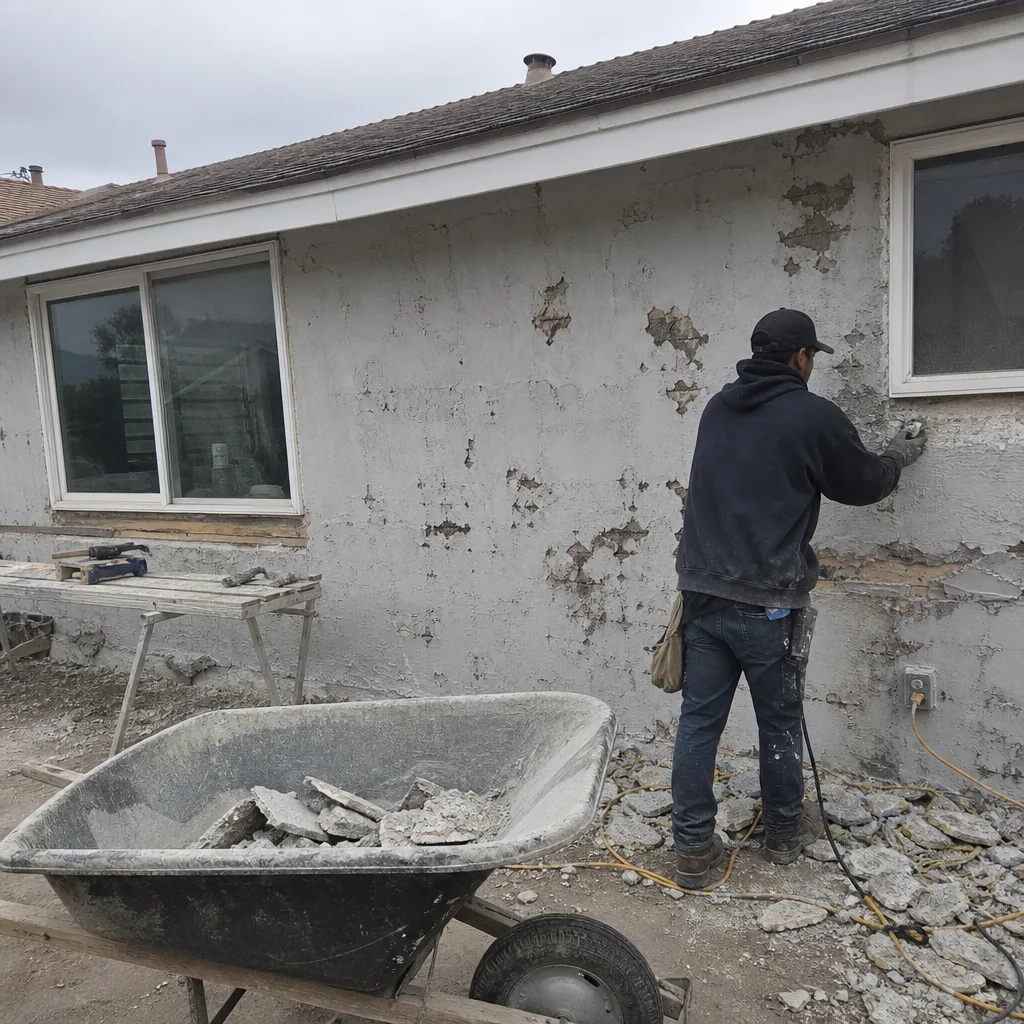 Before
 After
AfterSeasonal Construction Care for Carlsbad: Year-Round Homeowner’s Guide
The most expensive water damage in Carlsbad homes doesn’t come from storms. It comes from caulk joints that dried out during October’s Santa Ana winds and weren’t noticed until January’s first rain drove water behind the window flashing. In this guide and our Complete Guide to Construction in Carlsbad, you’ll learn how Carlsbad’s actual weather calendar, not a generic four-season template, should dictate when you inspect, seal, and repair your home’s exterior envelope. We’ll cover the marine layer protocol for May through July, the Santa Ana re-caulking sequence for fall, and the drainage checks that matter on clay-heavy hillside soils. Every task includes what to photograph and how to document it, building a maintenance record that supports insurance claims and resale disclosure in Carlsbad’s competitive market.
Quick Answer
Seasonal construction care in Carlsbad means timing maintenance to three distinct local weather patterns: sealing exterior wood and stucco before the May-July marine layer locks humidity above 85%, re-caulking windows, doors, and roof penetrations during September-October before Santa Ana winds desiccate joints, and verifying drainage systems in December before winter rains test clay-heavy hillside soils. Homes within one mile of the Pacific need additional year-round corrosion inspection of fasteners, flashing, and coastal-exposed metal components.
Table of Contents
- May-July Marine Layer Protocol: Preparing for Six Weeks of Coastal Fog
- September-November Santa Ana Prep: The Re-Caulking Priority Sequence
- December-March Drainage Inspection Checklist for Carlsbad Hillside Soils
- Year-Round Corrosion Inspection for Coastal Carlsbad Homes
- How to Document Every Inspection: Building Your Maintenance Record
- Room-by-Room Seasonal Task Calendar
- Material Selection for Carlsbad’s Climate: Brands That Hold Up
- Common Mistakes to Avoid
- When to Call a Professional
- Frequently Asked Questions
- The Bottom Line
BeforeAfterMay-July Marine Layer Protocol: Preparing for Six Weeks of Coastal Fog
Carlsbad’s marine layer is not morning fog that burns off by noon. From mid-May through July, it frequently persists for days, with relative humidity climbing above 85% and staying there. We’ve measured substrate moisture on roofing in Carlsbad projects during this period and found OSB sheathing at 22% moisture content, well above the 19% threshold where mold colonization accelerates. The problem isn’t the humidity itself. It’s that homeowners often complete exterior projects in April’s dry window, then the marine layer arrives before sealants have fully cured.
Tasks to complete before May 15:
- Deck board and railing inspection. Check for raised fasteners, splintering, and soft spots. Replace any board that yields to a screwdriver tip. Marine layer moisture will penetrate untreated end grain and cause swelling that pops fasteners. In the La Costa Hills and Bressi Ranch areas, we’ve seen pressure-treated decks installed in March show fastener pop by August because end-sealer wasn’t applied before the fog season.
- Exterior wood trim: sand, prime, and paint. Bare wood absorbs atmospheric moisture; primer and two topcoats create the barrier. Allow 72 hours of dry weather between coats. The marine layer can re-wet latex paint that’s not fully cured, causing surfactant leaching, that sticky white film you see on poorly timed exterior paint jobs in Carlsbad.
- Stucco crack mapping. Hairline cracks in stucco are normal. Cracks wider than 1/16 inch are not. Map them with masking tape and a marker, photograph with a ruler for scale, and seal with elastomeric caulk. The marine layer will drive moisture through unsealed cracks, and the winter freeze-thaw cycle, mild as it is in Carlsbad, will widen them.
- Verify bathroom exhaust termination. In bathroom remodeling in Carlsbad, we regularly find exhaust fans terminating in attics or soffits rather than through the roof. During marine layer season, that moist air has nowhere to go. The ductwork becomes a condensation surface, and we’ve removed saturated insulation in Aviara homes where this went undetected for two seasons.
What to photograph: Wide shot of each deck surface, close-up of worst board, stucco crack with ruler, exhaust termination point. Date each image and store in a folder named “2024 Marine Layer Prep.”
September-November Santa Ana Prep: The Re-Caulking Priority Sequence
Santa Ana winds in Carlsbad typically arrive in late September and peak in October and November. Relative humidity can drop below 15% for days. That’s not dry. That’s desiccation. Acrylic latex caulk that was flexible in August becomes brittle by Halloween. The gap opens. Then January’s first rain, often the heaviest of the year, finds the path.
We’ve re-framed window surrounds in Carlsbad’s Olde and Calavera Hills neighborhoods where the damage started with a 1/8-inch caulk gap and ended with rotted sill plates. The repair cost $4,200. The caulk would have cost $18.
Priority sequence for re-caulking:
- Window perimeters, interior and exterior. Remove old caulk with a hook tool or oscillating multi-tool. Clean with mineral spirits. Apply polyurethane or silicone sealant rated for 50% joint movement. Tool with a wet finger for adhesion. In Carlsbad, we specify OSI Quad or comparable for exterior window perimeters because of its UV resistance and 35-year durability rating.
- Door thresholds and jambs. The transition between door frame and stucco is a common failure point. Check the weep screed, that perforated metal strip at the base of stucco walls, for caulk blockage. Weep screeds allow drainage; caulk them shut and water enters the wall cavity.
- Roof penetrations. Vent pipes, chimneys, skylights. The flashing collar should be sealed with roofing cement or specialized pipe boot sealant. Santa Ana winds accelerate UV degradation of rubber boots; inspect for cracking.
- Deck-to-house connection. The ledger board flashing is critical. Caulk the top edge where flashing meets house wrap. This joint sees thermal expansion daily and wind-driven rain seasonally.
Documentation standard: Before-and-after of each joint, with old caulk visible in the before shot. Note the product name and date applied. This supports warranty claims if premature failure occurs.
December-March Drainage Inspection Checklist for Carlsbad Hillside Soils
Carlsbad’s winter rainfall averages 10-13 inches, concentrated in December through March. The city’s hillside neighborhoods, Calavera Hills, La Costa Ridge, and the slopes above Tamarack Beach, sit on clay-heavy soils that expand when saturated and shrink when dry. This seasonal swelling creates hydrostatic pressure against foundation walls and can lift hardscape surfaces.
The critical insight: drainage failures in Carlsbad rarely show during rain. They show after rain, when saturated clay holds water against foundations for weeks.
Inspection checklist:
- Downspout extensions. Verify discharge is 6 feet from foundation minimum. In hillside conditions, 10 feet is better. Extensions should be sloped, not flat, to prevent standing water that breeds mosquitoes and undermines soil stability.
- French drain inlets. Remove grates, photograph the water level in the trench, check for sediment accumulation. A French drain clogged with clay silt will back up and saturate the soil it’s meant to drain. We’ve excavated failed drains in Carlsbad where the perforated pipe was completely encased in clay.
- Hardscape slope verification. Concrete and paver surfaces should slope 1/4 inch per foot away from structures. Use a 4-foot level. In Rowan Construction Group Carlsbad home inspections, we find settlement-induced reverse slope on 30% of driveways over 10 years old. Water pooling against the garage slab is the result.
- Foundation perimeter grading. Soil should slope 6 inches in the first 10 feet. Mulch beds against the house create a false flat; check the soil surface beneath. In Carlsbad’s fire-conscious landscaping, gravel mulch is common, but it doesn’t absorb water like organic mulch, making proper sub-grade slope more critical.
What to photograph: Downspout termination with ruler showing distance, French drain inlet with water level visible, level on hardscape showing bubble position, foundation grade profile. These images become evidence if foundation movement occurs.
Year-Round Corrosion Inspection for Coastal Carlsbad Homes
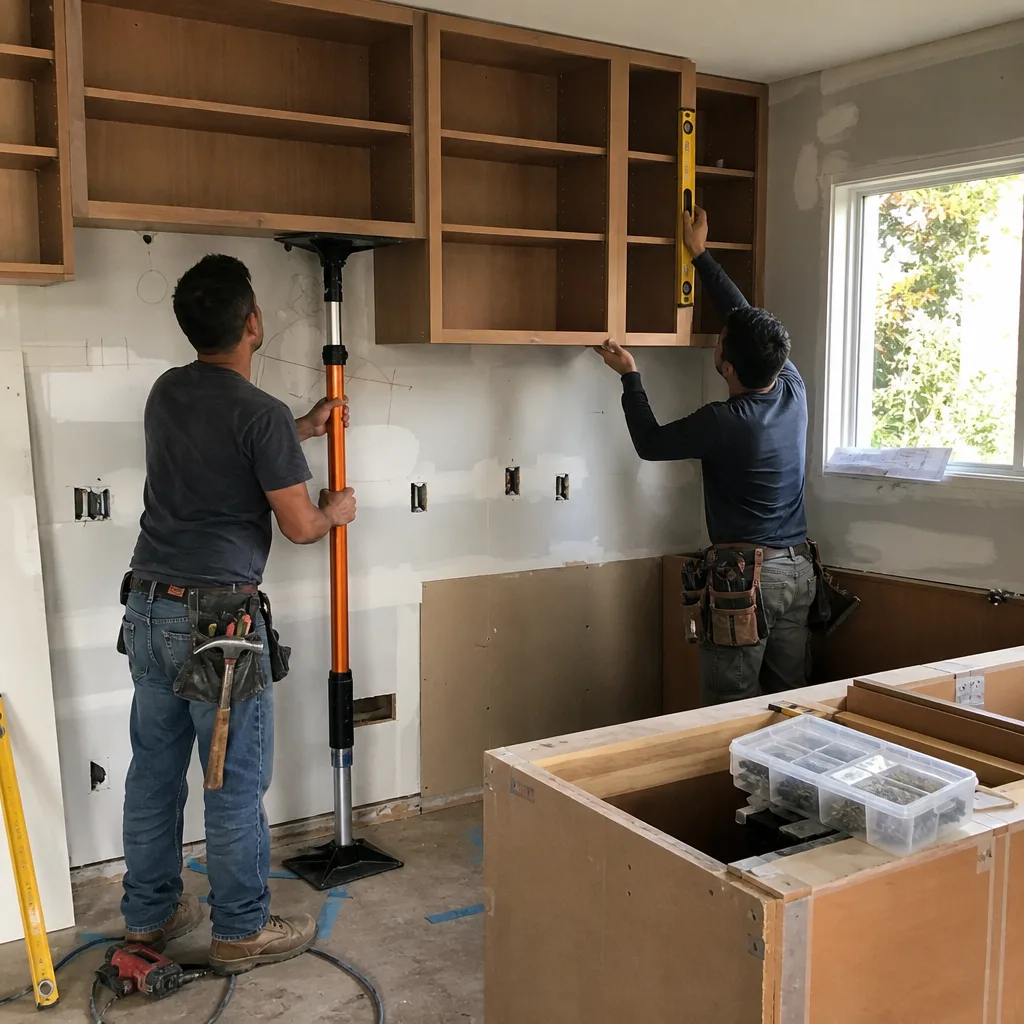
Homes within one mile of the Pacific in Carlsbad, including the Village, Terramar, and the oceanfront blocks of Carlsbad Boulevard, experience salt spray deposition that accelerates metal corrosion by a factor of 5 to 10 compared to inland locations. The damage is often hidden until failure.
Inspection schedule and targets:
Quarterly: Exterior fasteners on railings, gates, and deck hardware. Stainless steel 316 is specified for coastal exposure; 304 will surface-rust within two years. Check with a magnet: 316 is weakly magnetic, 304 strongly so. If your “stainless” hardware grabs the magnet firmly, it’s not 316 and needs replacement.
Semi-annually: HVAC condenser fins. Salt accumulation reduces heat transfer efficiency and causes coil corrosion. Rinse with fresh water, low pressure, from the inside out. We’ve replaced condensers in Carlsbad coastal homes at 8 years where inland units last 15.
Annually: Roof flashing, especially at valleys and wall transitions. Galvanized steel flashing in coastal Carlsbad shows red rust in 7-10 years. Copper or zinc-coated steel (Galvalume) lasts longer but still needs inspection. Look for white powdery corrosion products at fasteners.
Every 2 years: Garage door spring and cable inspection. High-tension springs are dangerous to handle; this is visual only. Look for rust pitting, especially at the spring ends where stress concentration is highest. A corroded spring can fail without warning. We recommend a trained technician for any closer inspection or adjustment.
Documentation: Close-up of each fastener type with magnet test result, condenser fin condition, flashing condition. Note the date and location. Corrosion progression is only visible in comparison.
How to Document Every Inspection: Building Your Maintenance Record
A maintenance record is not a checklist with checkmarks. It’s a dated, photographic, component-specific archive that answers three questions: What did we find? What did we do? What should we watch?
This documentation discipline is what Rowan Construction Group applies to every project under kitchen remodeling in Carlsbad, roofing, and every other trade. The same standard protects homeowners who apply it themselves.
Folder structure:
- YYYY-MM-DD_InspectionType_Location
- Example: 2024-10-15_SantaAna_Caulk_Exterior
Required elements per inspection:
- Cover sheet. Date, inspector name, weather conditions, temperature and humidity if available. Weather matters: caulk applied at 45°F and 80% humidity performs differently than at 75°F and 30%.
- Component inventory. List every building component inspected: “North bedroom window, east jamb, exterior caulk joint, 48 inches linear.” Specificity prevents the “I think we checked that” ambiguity that wastes time and misses problems.
- Condition photographs. Minimum three per component: wide context, medium detail, close-up with scale reference. The ruler or coin in frame is not optional. It establishes magnification and allows year-over-year comparison.
- Action taken. “Removed old caulk, cleaned with mineral spirits, applied OSI Quad, tooled, 72-hour cure before exposure.” This supports warranty claims and reminds you what was done when it’s time to re-inspect.
- Watch list. Components that showed early-stage concern but didn’t yet need action. “South deck board, foot traffic side, surface checking noted, re-inspect in 6 months.”
For Carlsbad homeowners, this record has specific value. See our Construction Cost Breakdown for 2026 for typical maintenance investments. Resale disclosure requirements in California are stringent. A documented maintenance history, especially for roof, foundation, and moisture management, reduces buyer uncertainty and supports asking price. Insurance claims for water damage are routinely denied when the insurer can argue lack of maintenance; dated photographs of sealed caulk joints and cleared drains refute that argument.
Rowan Construction Group includes a documented photo record on every visit as standard, not an upgrade. Under The Haven Standard, Clause 1, the customer receives evidence of what was found and what was done. Homeowners maintaining their own properties should hold themselves to the same standard.
Room-by-Room Seasonal Task Calendar
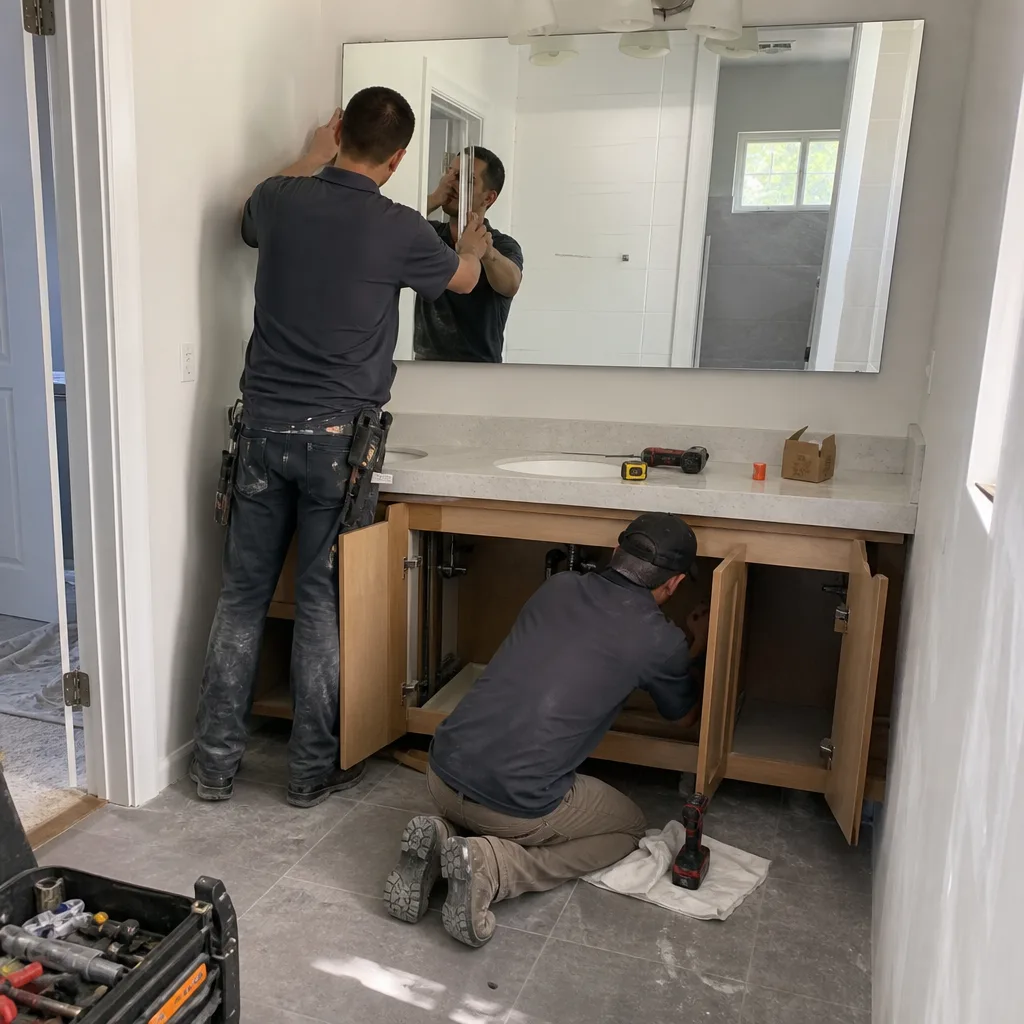
This calendar compresses the climate-specific guidance into an actionable schedule. Tasks are sequenced to precede the weather pattern that would damage unprepared components.
March-April (Pre-Marine Layer Window):
- Kitchen: Test exhaust fan flow with tissue paper; clean grease buildup from hood duct. In kitchen remodeling in Carlsbad, we find 40% of existing fans below 100 CFM, inadequate for the open-plan layouts common in post-2015 builds.
- Bathroom: Verify grout and caulk integrity at tub and shower surrounds. Marine layer humidity will penetrate failed grout and saturate wall cavities.
- Exterior: Complete all painting, staining, and sealing. Allow full cure time.
May-July (Marine Layer Active):
- Monitor interior humidity. Target 30-50%. Dehumidify if necessary; air conditioning alone may not suffice when outdoor dew point is high.
- Inspect attic for condensation stains on sheathing underside. Marine layer moisture can infiltrate soffit vents and condense on cooler surfaces.
- Check exterior wood for fungal growth, the black spotting that precedes rot. Address immediately; do not wait for dry season.
August-September (Transition, Santa Ana Approaching):
- Begin re-caulking sequence. Order materials; check inventory of sealant, tools, cleaning solvents.
- Inspect roof for summer UV damage: cracked shingles, lifted flashing, granule loss.
October-November (Santa Ana Peak):
- Execute re-caulking priority sequence. Work in morning before winds rise.
- Clean gutters and downspouts. Santa Ana winds deposit debris; winter rain needs clear drainage paths.
- Test sump pumps if installed in hillside homes.
December-February (Winter Rain):
- Execute drainage inspection checklist after first significant rain.
- Monitor interior for leaks: water stains, musty odors, efflorescence on concrete.
- Verify heater operation; inspect flue and combustion air intake for blockage.
Material Selection for Carlsbad’s Climate: Brands That Hold Up
Generic material specifications fail in Carlsbad’s specific conditions. The marine layer, Santa Ana winds, and coastal salt spray each punish different material properties. We’ve worked with over fifty vetted brands across our trades; these selections reflect what performs in this environment.
Pavers and hardscape: For driveways and patios in Carlsbad, we specify pavers rated for freeze-thaw and salt exposure, even though our freeze-thaw is mild. The salt resistance matters more. Tremron and Techo-Bloc both offer coastal-rated products with sealed surface treatments that resist efflorescence, the white mineral bloom that mars concrete and paver surfaces in salt-air environments. Cambridge Pavers ArmorTec surface layer provides similar protection. We avoid unstabilized concrete pavers within one mile of the coast; the salt penetration into the cement matrix causes surface spalling in 5-7 years.
Concrete alternatives: Where poured concrete is preferred, we specify air-entrained mixes with corrosion inhibitor admixtures. Oldcastle supplies coastal-formulated mixes in the Carlsbad market. The additional cost, typically 8-12% over standard mix, is recovered in service life.
Exterior sealants: For window and door perimeters, we use polyurethane or hybrid sealants (siliconized polyurethane) with 800% elongation and 50-year durability ratings. Acrylic latex, adequate inland, fails in Carlsbad’s UV-plus-salt combination.
Fasteners and hardware: Stainless steel 316 for coastal exposure, period. The upcharge over 304 or galvanized is 30-50%, but replacement cost of corroded railing hardware exceeds the initial savings by an order of magnitude.
Under The Haven Standard, our written quotes specify the brand and grade of every material. The customer knows what they’re receiving before work starts. No substitutions proceed without a signed change order.
Common Mistakes to Avoid
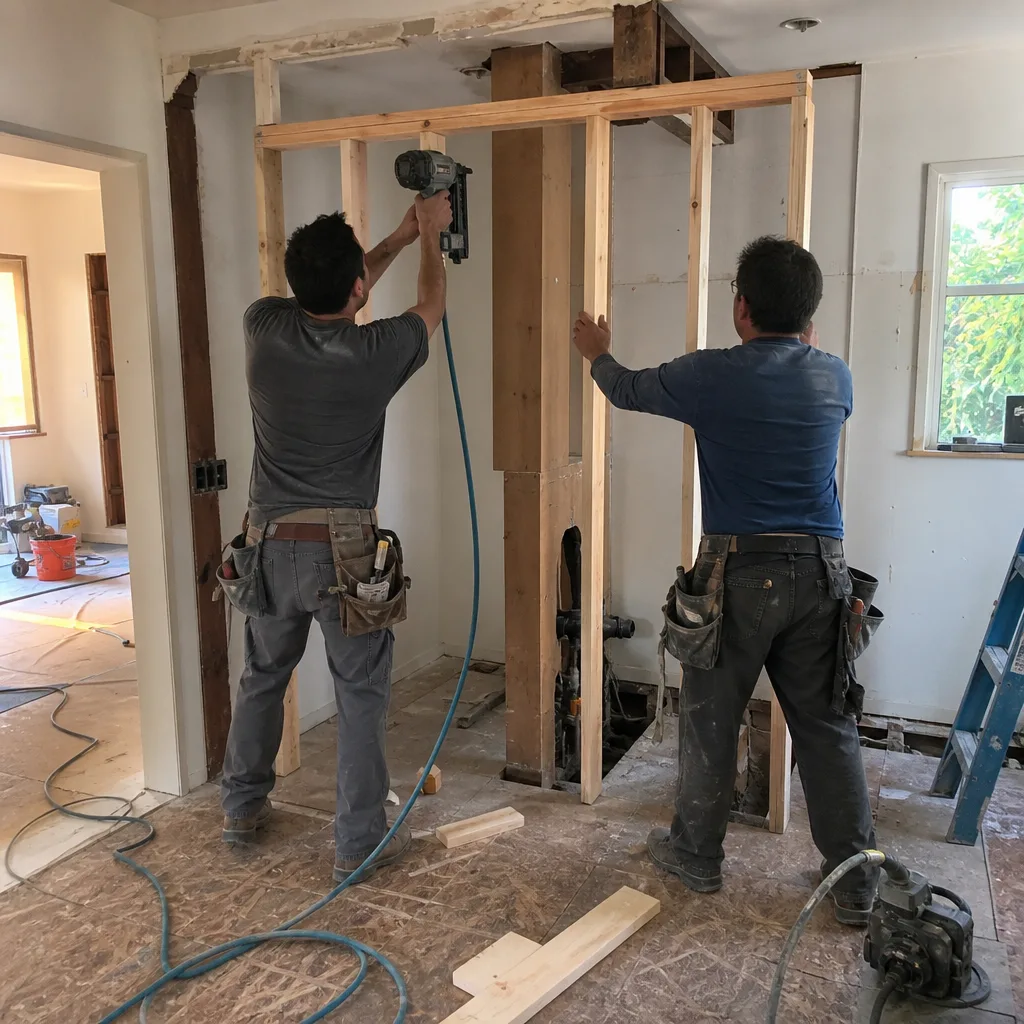
- Applying exterior paint or caulk during marine layer conditions. The moisture in the air prevents proper film formation. We’ve stripped and re-painted three Carlsbad exteriors where the homeowner or a handyman applied product in foggy morning conditions that seemed “dry enough.”
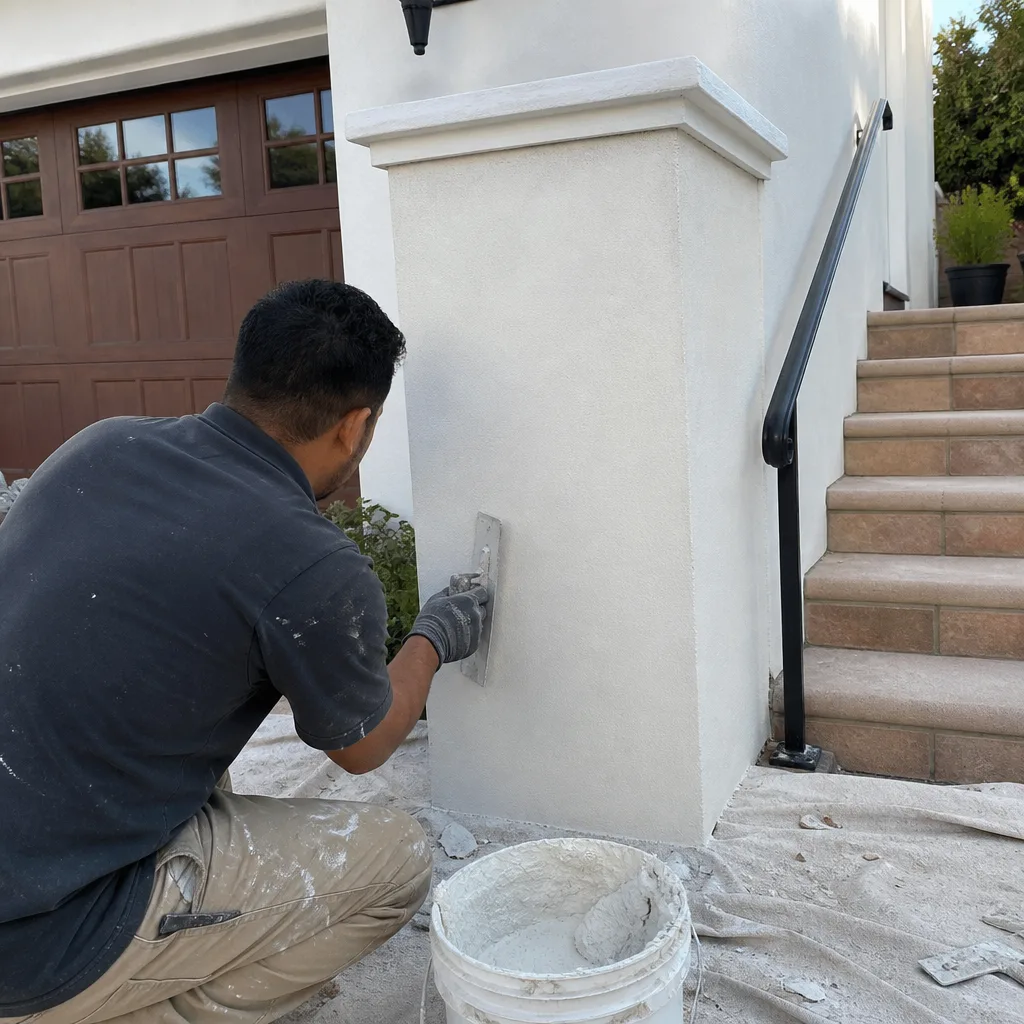
- Re-caulking over old caulk without removal. The new bead adheres to the old, not the substrate. When the old fails, the new goes with it. Always remove to bare substrate.
- Ignoring negative slope on hardscape because “it hasn’t leaked yet.” In Carlsbad’s clay soils, water doesn’t drain through; it drains across. Reverse slope directs it to the foundation. The failure mode is gradual soil saturation, then sudden foundation movement.
- Specifying inland-grade materials for coastal Carlsbad to save money. The savings are real, typically 15-25%, and the replacement cost is typically 400-600% of the original installation. We’ve replaced “stainless” 304 railing systems at 6 years in Terramar homes where 316 would have lasted 20.
- Documenting inspections with mental notes instead of photographs. Memory degrades; photographs don’t. Insurance adjusters and buyers want evidence, not recollection.
- Waiting for visible damage before inspecting. By the time stucco shows water staining or decking shows rot, the substrate damage is typically 3-5 times the visible area. The inspection schedule in this guide is designed to catch conditions before they become damage.
When to Call a Professional
Some seasonal maintenance is within capable homeowner reach. Some is not, and the cost of error exceeds the cost of professional service.
Call a professional when: roof work requires ladder access above single story; electrical components are involved in any inspection or repair; foundation drainage requires excavation or pipe replacement; stucco cracks exceed 1/8 inch or show displacement, indicating structural movement rather than thermal cracking; or high-tension garage door springs or cables need inspection or adjustment.
Rowan Construction Group Carlsbad offers free estimates in Carlsbad. Call (858) 815-9080 to schedule. Under The Haven Standard, you’ll receive a written price before any work starts, a documented photo record of every visit, and the 365-Day Done Right Promise. We also offer a Free Second Opinion on any written estimate from another contractor, reviewed line by line at no charge.
Frequently Asked Questions
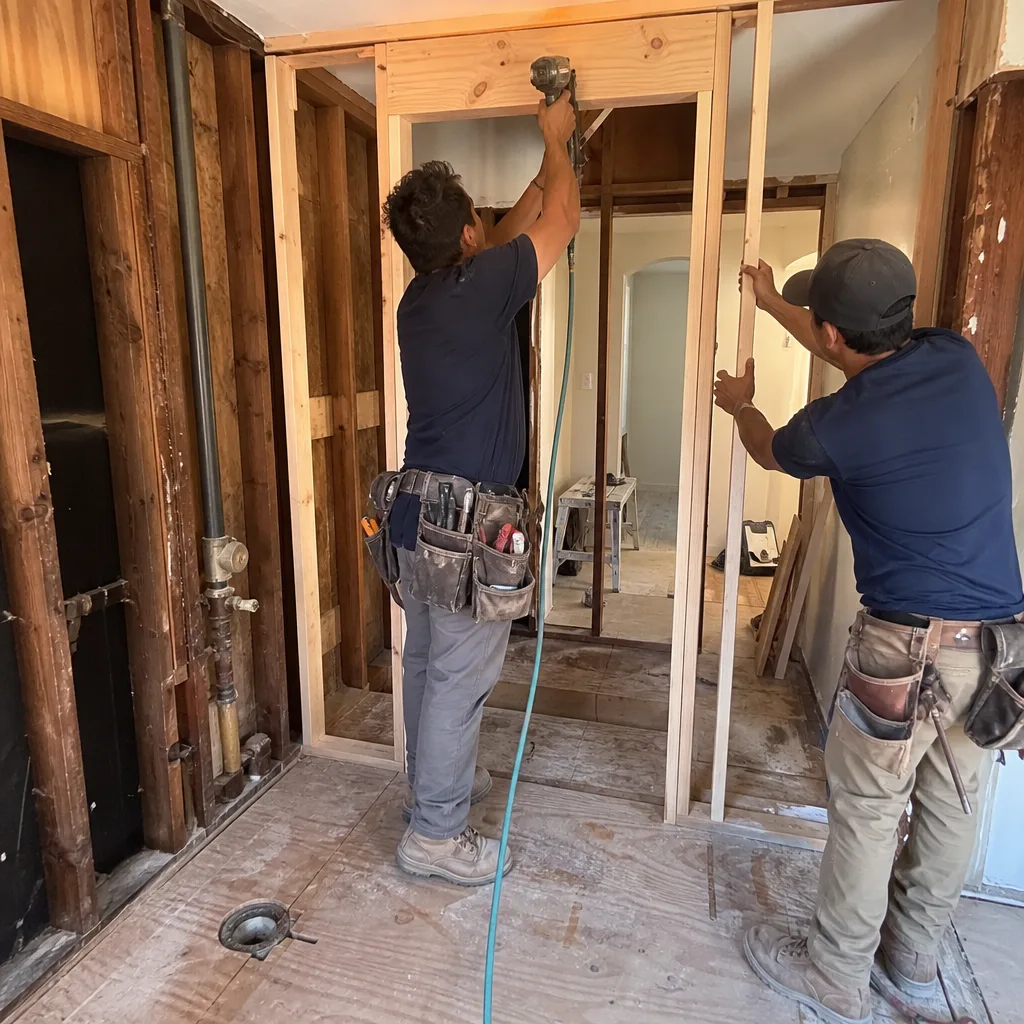
Annual seasonal maintenance for a typical 2,500-square-foot Carlsbad home ranges from $800 for DIY-focused homeowners to $2,800 for professional service packages covering inspection, re-caulking, drainage verification, and corrosion checks. Material costs, sealants, and minor hardware replacement add $200-$400. Call (858) 815-9080 for an exact quote - estimates are free.
No. Under Clause 1 of The Haven Standard, Rowan Construction Group delivers a written flat price with a written scope before any work begins. No change proceeds without a signed change order. This discipline has kept projects within a few percent of the agreed price across 4,000-plus jobs since 2007.
Minimum twice yearly: before the marine layer season (April) and before winter rains (October). Homes within one mile of the Pacific need quarterly corrosion inspection. Hillside homes on clay soils should verify drainage after every significant rain event, typically 3-5 times per winter.
Pure maintenance, re-caulking, painting, and cleaning do not require permits. Replacement of roof flashing, deck ledger boards, or drainage system components may trigger permit requirements under Carlsbad Municipal Code; see Construction Permits, Codes & Inspections in CA for what you need to know. Rowan Construction Group pulls all required permits and schedules inspections as part of any project scope that requires them.
Timing exterior sealant application to the calendar rather than the weather. Homeowners see October on the calendar and start re-caulking, but if Santa Ana winds are already active, the caulk skins before it can adhere properly. Check the forecast: apply when humidity is 40-70%, temperature is 50-80°F, and winds are under 15 mph.
Carlsbad’s hillside neighborhoods, Calavera Hills, La Costa Ridge, and slopes above Tamarack Beach, are mapped as CH-Carlsbad Hills soils, a clay loam with high shrink-swell potential. If your home is on flat terrain near the coast or in the floodplain, soils are typically sandy with better drainage but less bearing capacity. The City of Carlsbad’s GIS mapping system shows soil types by parcel; we reference this in our foundation and drainage assessments.
Yes. A documented, dated, photographic maintenance record supports insurance claims by demonstrating due diligence, and supports resale by reducing buyer uncertainty about hidden conditions. California’s Transfer Disclosure Statement requires disclosure of known defects; a maintenance record showing proactive care is the strongest rebuttal to price-reduction demands based on perceived neglect.
The Bottom Line
Carlsbad’s climate demands a maintenance calendar shaped by marine layer humidity, Santa Ana desiccation, and winter rain on clay soils, not a generic quarterly checklist. Time your sealing before May, your re-caulking before October, and your drainage verification before December. Document everything with dated photographs tied to specific components. Use coastal-rated materials within a mile of the Pacific. And when the task exceeds your comfort or capability, work with a contractor who puts the scope and price in writing before anyone picks up a tool. For ongoing care, explore our more guides & resources.
Written by Grant Rowan, Owner at Rowan Construction Group Carlsbad, serving Carlsbad since 2007.