
Last updated September 22, 2026
Free written scope consultation - allowances, timeline, and change-order rules on paper before a single trade is scheduled
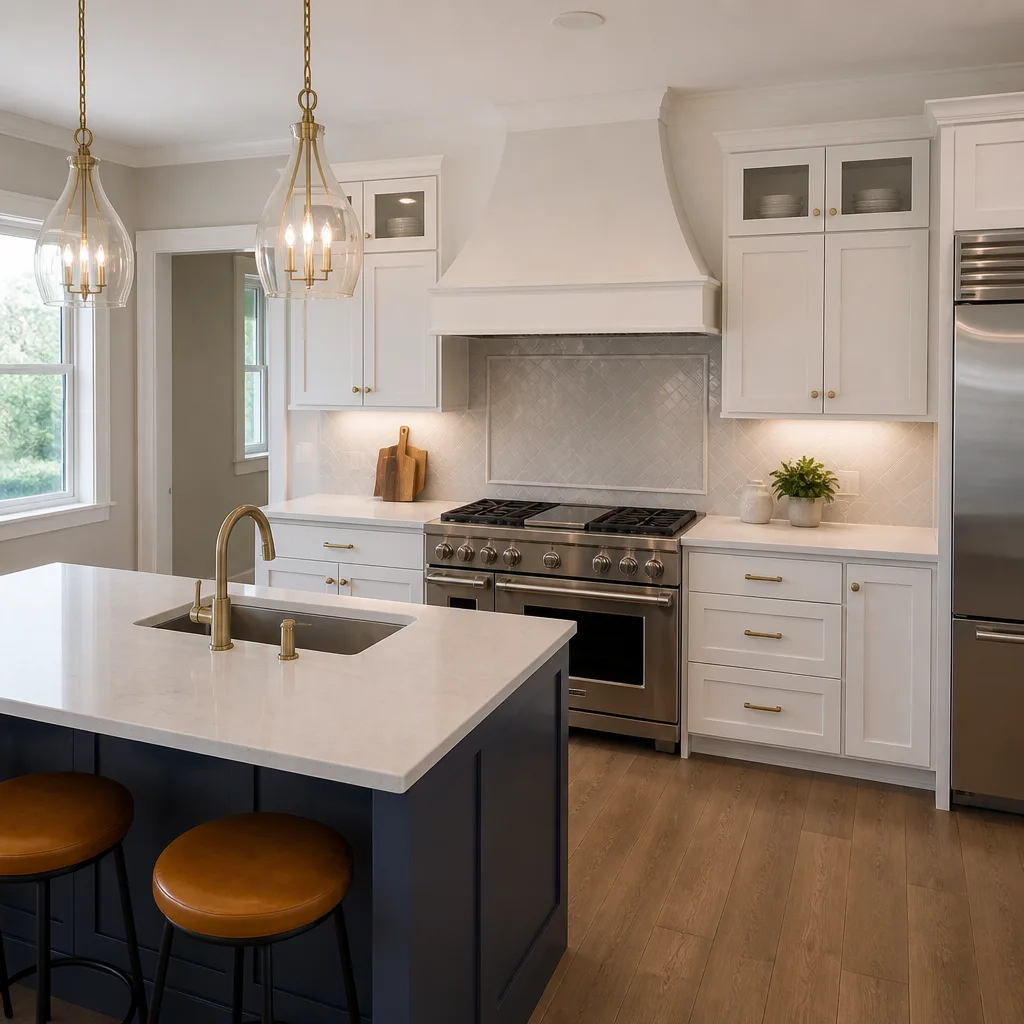
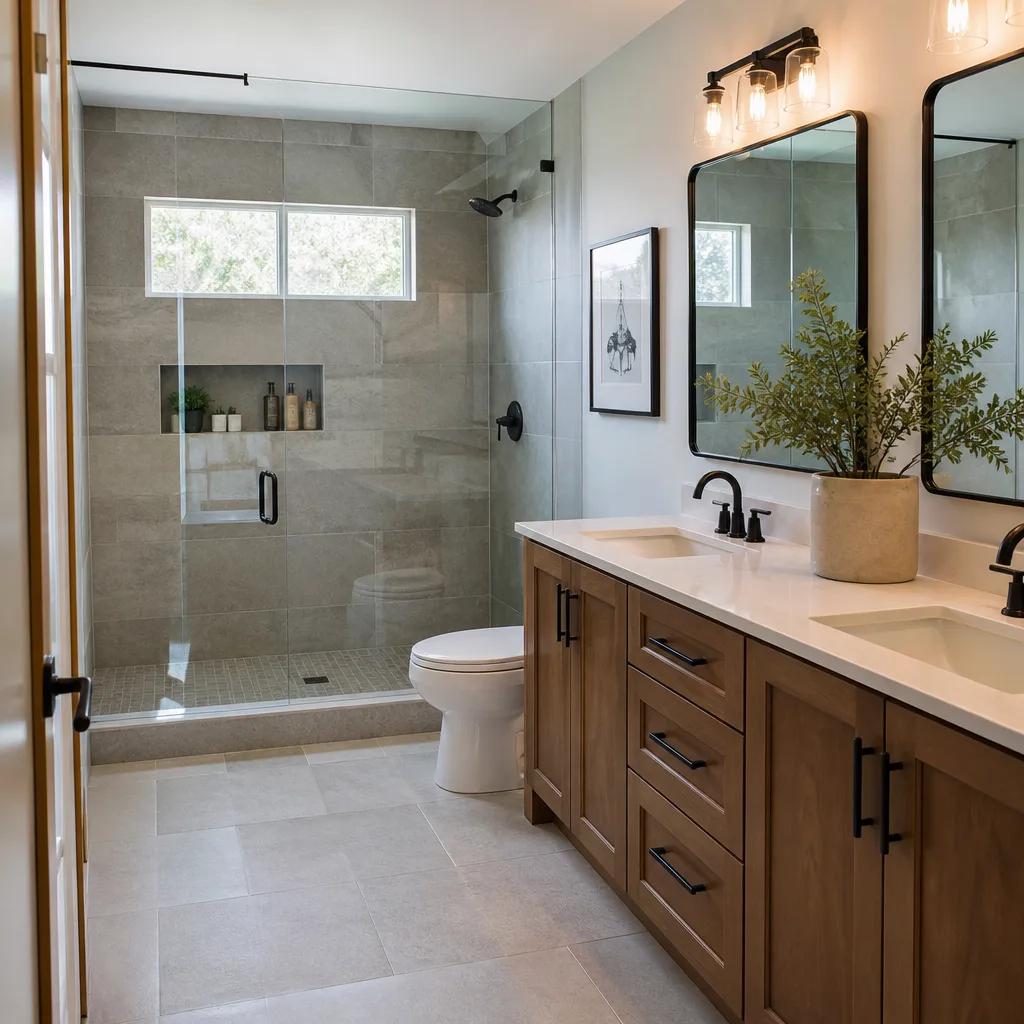
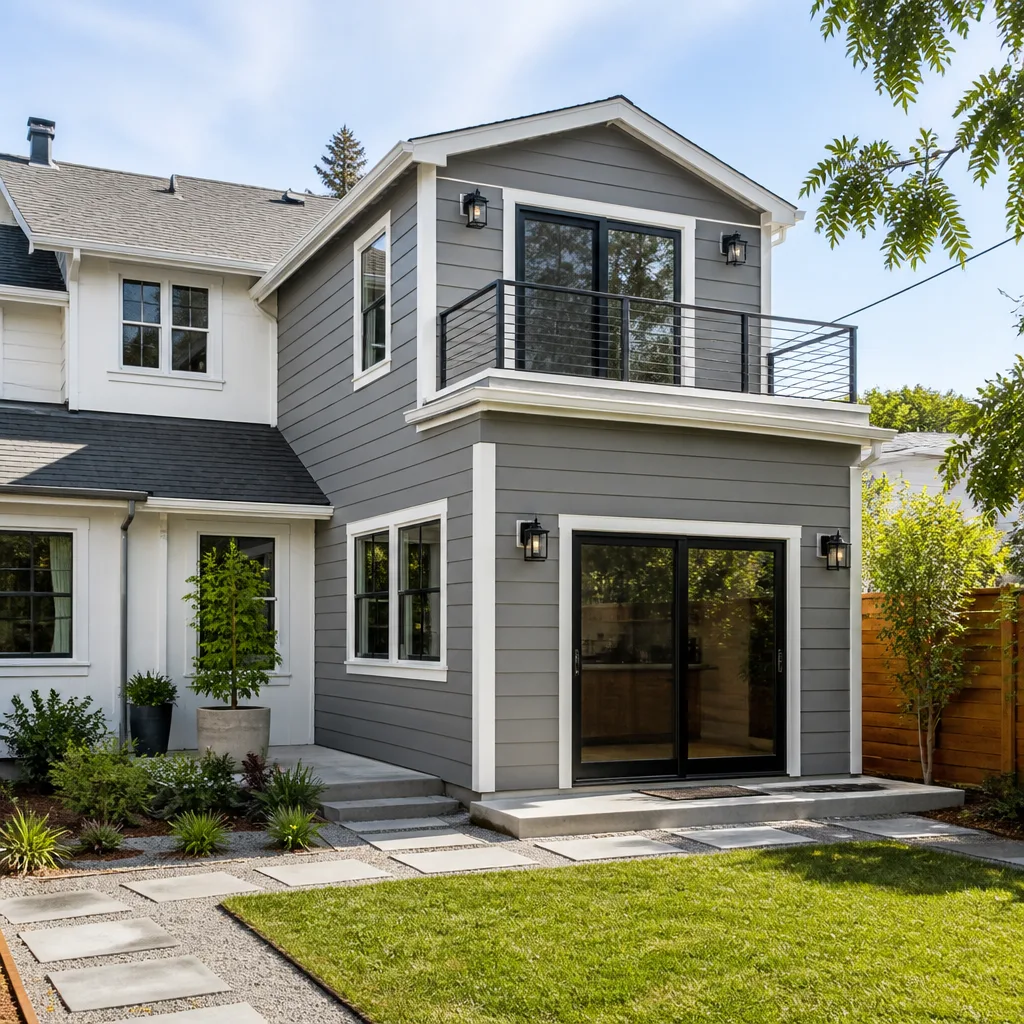

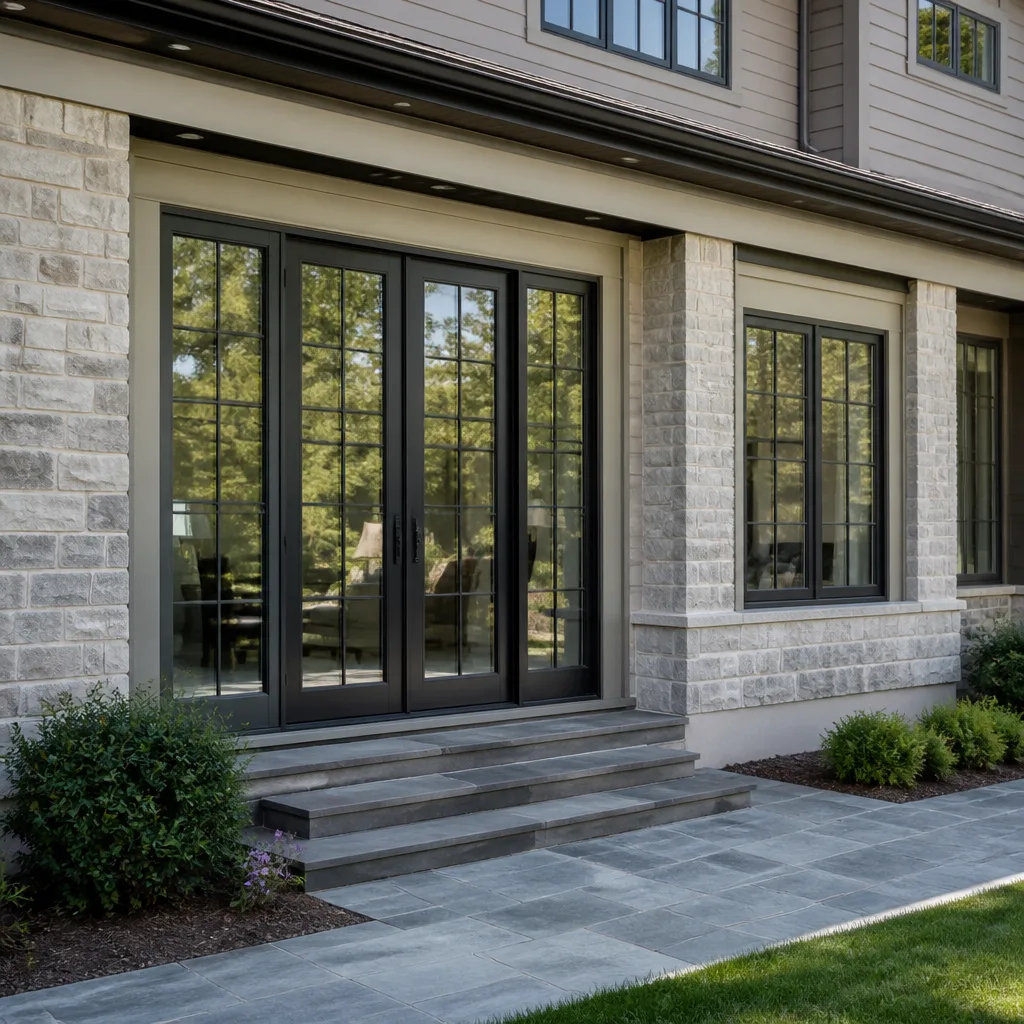
 Before
 After
After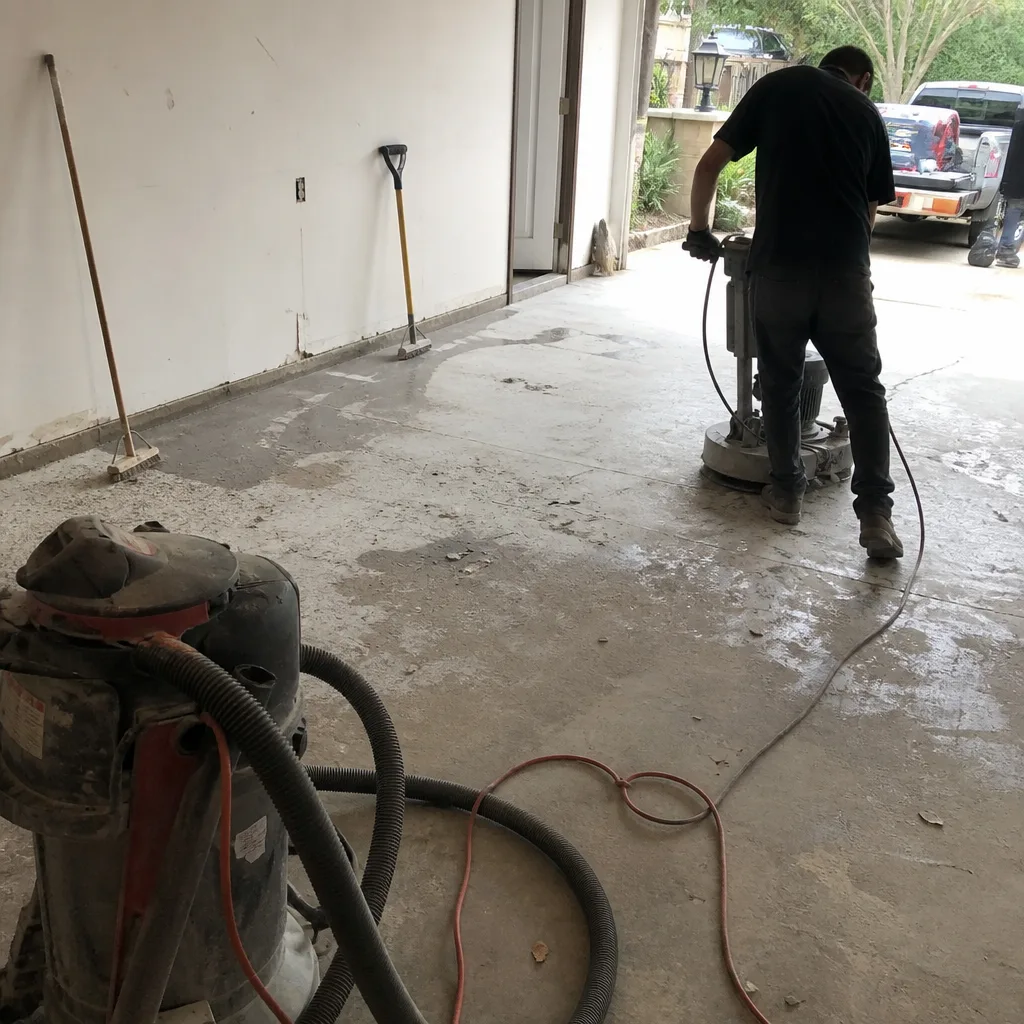 Before
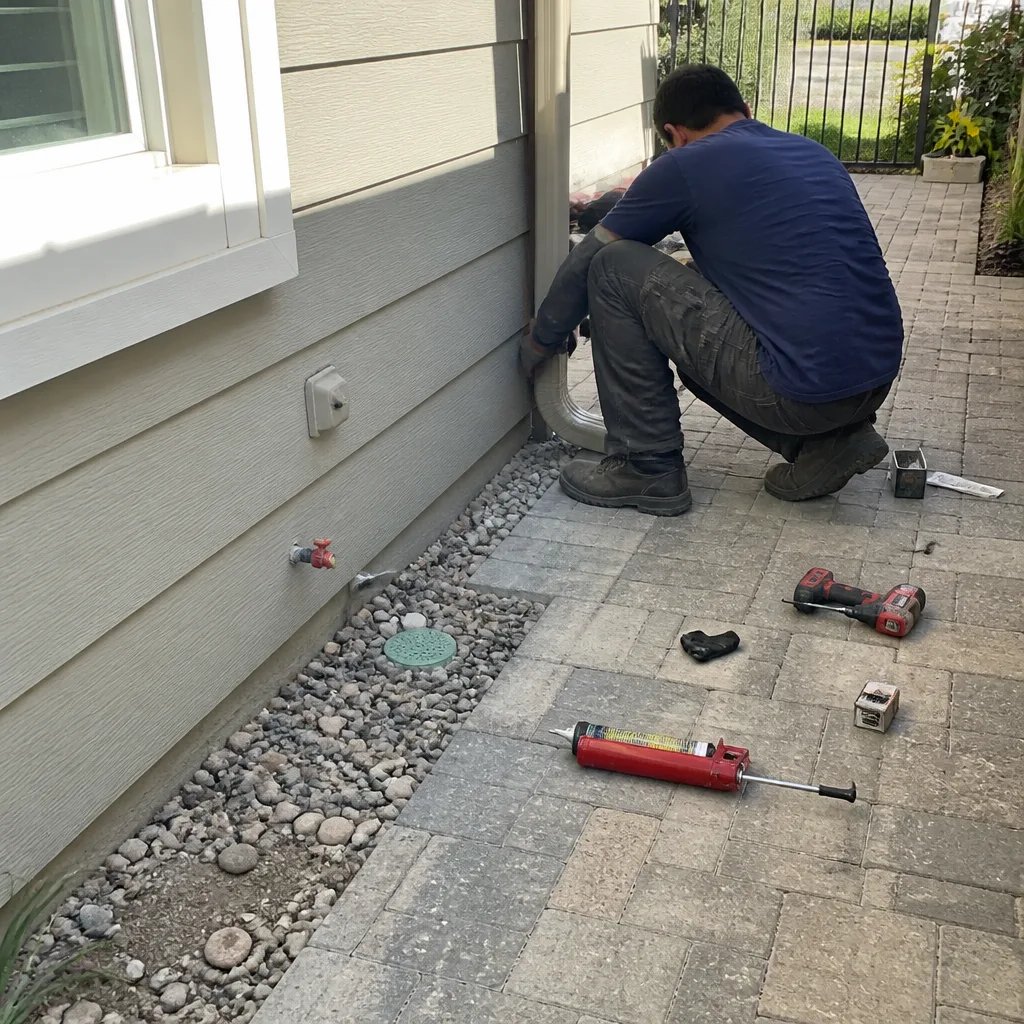 After
After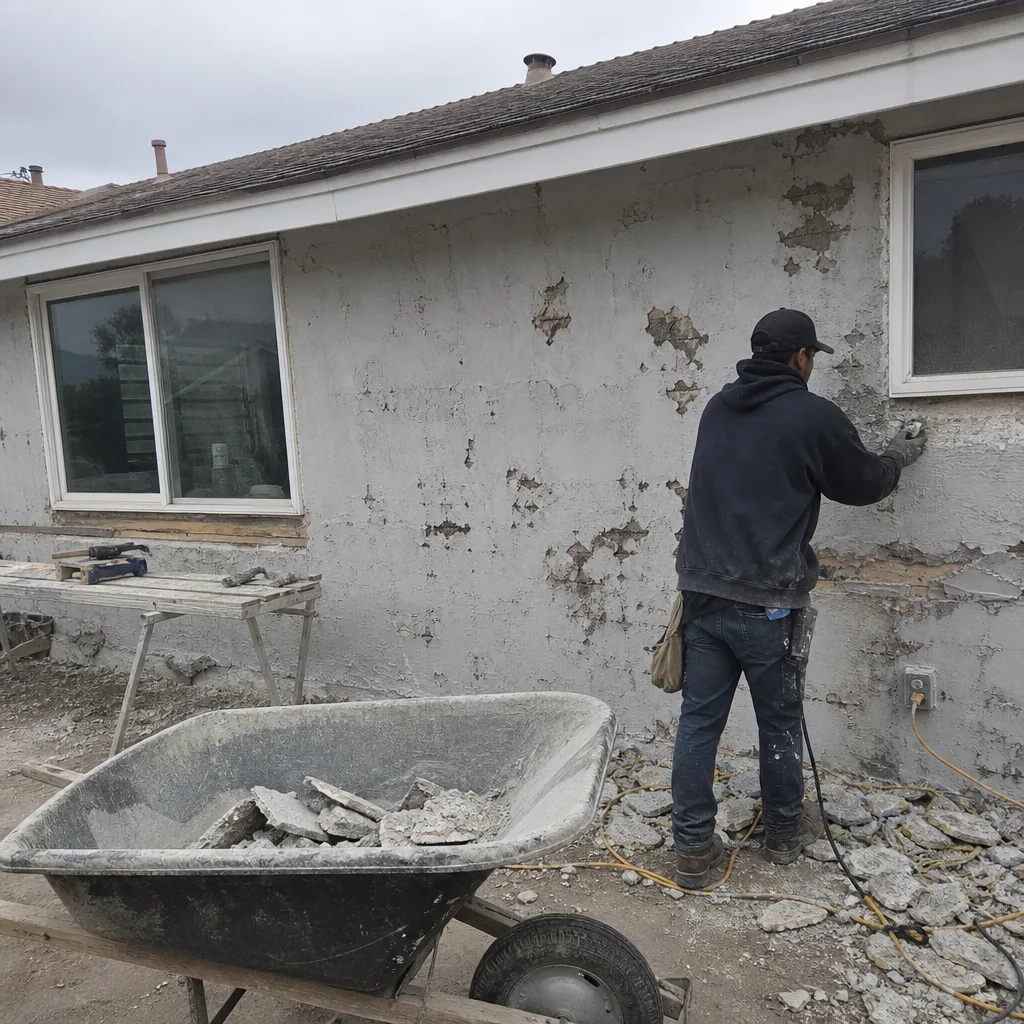 Before
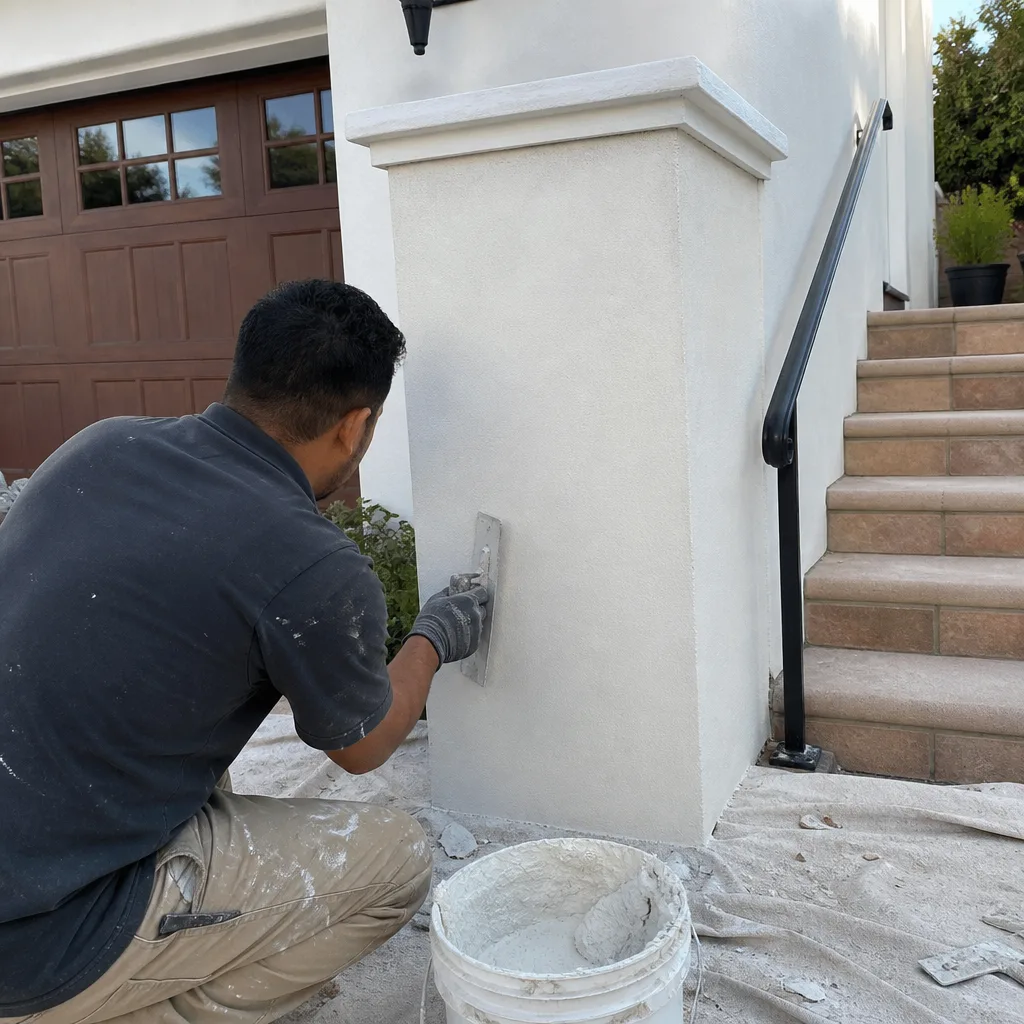 After
AfterDIY vs Professional Construction: The Carlsbad Homeowner’s Decision Guide
In California, a homeowner can legally self-perform almost any trade on their primary residence - but the moment they hire a single unlicensed helper for $50 to assist, they’ve created an employer-employee relationship that voids their homeowner’s insurance for that work and exposes them to workers’ comp liability. We’ve seen this scenario play out in Carlsbad neighborhoods from La Costa to Bressi Ranch: capable homeowners who saved $2,000 on a bathroom tile job, then absorbed $40,000 in water damage their insurer denied because the plumbing was self-performed without permit. This guide draws the legal and financial line by project type, with the California code basis stated plainly, so you can decide with the full cost picture in front of you.
Quick Answer
Most Carlsbad homeowners can legally self-perform painting, cabinet hardware, interior trim, and non-structural landscaping without permits or license risk. Any project requiring a building permit - electrical, plumbing, structural, roofing over 100 square feet, or anything involving gas - must be performed by a licensed contractor to pass Carlsbad final inspection and maintain insurance coverage. The break-even point for hiring a professional typically falls between $3,000 and $8,000 in project value, depending on your tool access and whether the work triggers California’s resale disclosure requirements; see our How to Hire a Construction Contractor in Carlsbad: A Step-by-Step Guide for vetting help.
Table of Contents
- What California Law Actually Allows Homeowners to Do
- The Permit Self-Certification Problem in Carlsbad
- True Cost Comparison: DIY vs. Professional
- Projects Where DIY Makes Documented Sense
- The Insurance Coverage Gap Nobody Talks About
- When Professional Work Is Required by Code
- How to Hire Right If You Go Professional
- Common Mistakes to Avoid
BeforeAfterWhat California Law Actually Allows Homeowners to Do
California Business and Professions Code Section 7044 creates a narrow exemption for homeowners who want to act as their own contractor. The statute permits an owner of a single-family dwelling to undertake construction, alteration, or repair work on their own home without a contractor’s license - provided three conditions are met simultaneously.
First, the property must be the owner’s principal place of residence. Second, the owner must personally perform the work, or have it performed by employees who are paid wages as employees (not as independent contractors) and who are subject to workers’ compensation coverage. Third, and critically, if the owner sells the property within one year of completing the work, they must disclose that the work was performed under the owner-builder exemption.
That third condition creates a resale trap in Carlsbad’s active market. In neighborhoods like Calavera Hills or the Village, where homes turn over every three to five years on average, an owner-builder project completed in 2024 becomes a disclosure obligation on a 2025 sale. The disclosure itself is not a defect, but it triggers buyer scrutiny, potential re-inspection, and price negotiation that often erases the original savings.
The employee condition is where most homeowners stumble. Section 7044 requires that any helper be a bona fide employee - meaning payroll taxes withheld, workers’ compensation insurance carried, and the employer (you) liable for injury. Hire your neighbor’s son for $15 an hour cash to help hang drywall, and you’ve violated the statute. Your homeowner’s policy almost certainly excludes liability for unlicensed contractor work, and your workers’ comp exposure is unlimited.
We’ve reviewed claims where a Carlsbad homeowner’s insurer denied a $90,000 water damage claim because the proximate cause was a self-installed toilet flange that failed. The homeowner had paid a handyman $200 cash to assist. That payment, undocumented, transformed the handyman into an unlicensed contractor in the insurer’s view. The claim denial held up in review.
The exemption also does not apply to work performed on rental properties, second homes, or homes held in LLCs or trusts where the beneficiary is not the occupant. If you bought your Carlsbad property through a family trust for estate planning purposes, the Section 7044 exemption may not apply - a fact many owners discover only after a problem arises.
The Permit Self-Certification Problem in Carlsbad
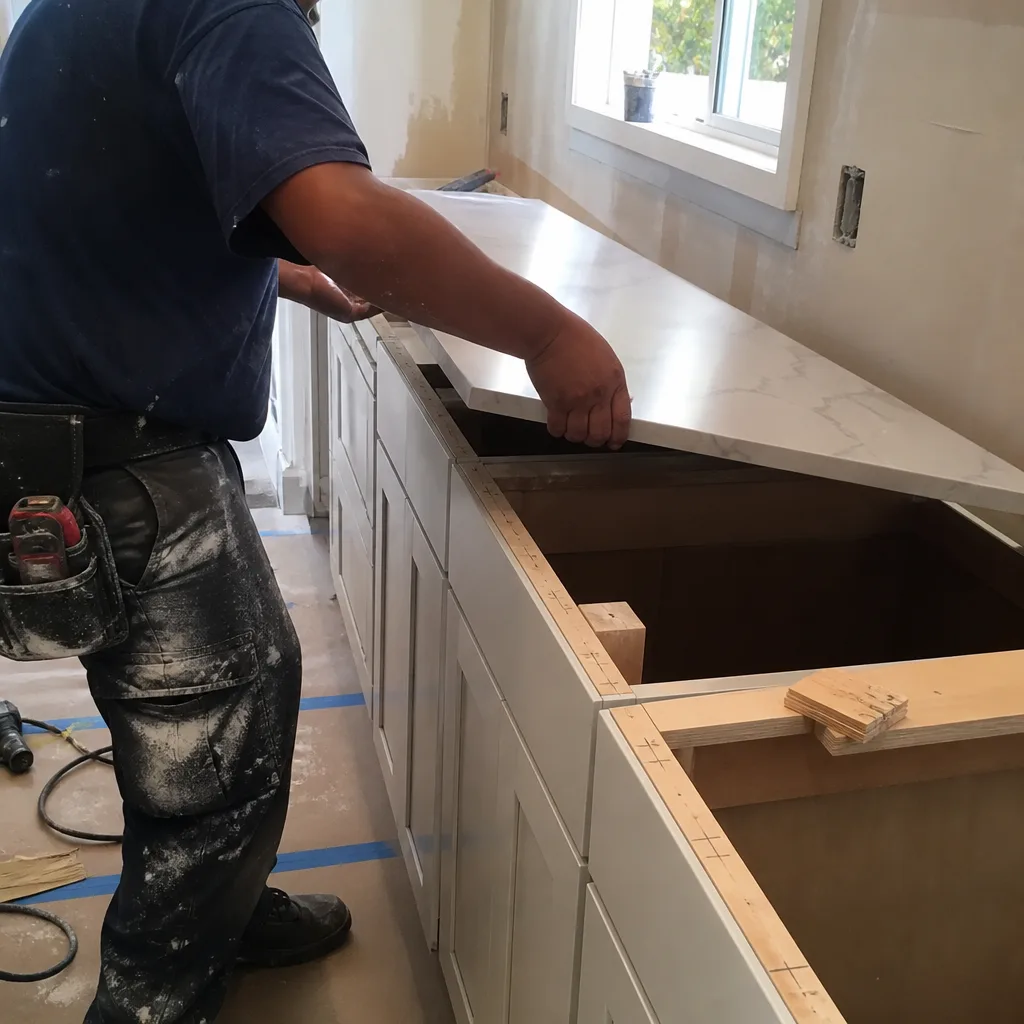
Carlsbad Building and Safety Division operates under the 2022 California Building Code with local amendments. Inspectors have discretion to ask who performed work at final inspection, and they exercise that discretion selectively but consistently on high-risk trades.
Here’s how the process actually works. You pull a homeowner permit for a kitchen remodel - legally permitted under Section 7044. You install new recessed lighting, moving circuits from the existing panel. At rough electrical inspection, the inspector notes the work and continues. At final inspection, if the finish quality raises questions, or if the inspector has seen your name on multiple permits in short succession (a pattern that suggests unlicensed contracting), they may ask directly: “Who performed this electrical work?”
If the answer is “I did,” and the inspector believes you possess the competence, the permit closes. If the answer reveals that an unlicensed electrician assisted, or if the work fails to meet code in ways that suggest unqualified labor, the inspector can red-tag the permit and require licensed contractor sign-off. That sign-off typically costs 30-50 percent more than original contractor pricing, because the licensed professional now assumes liability for work they did not perform.
The trades where Carlsbad inspectors scrutinize most closely:
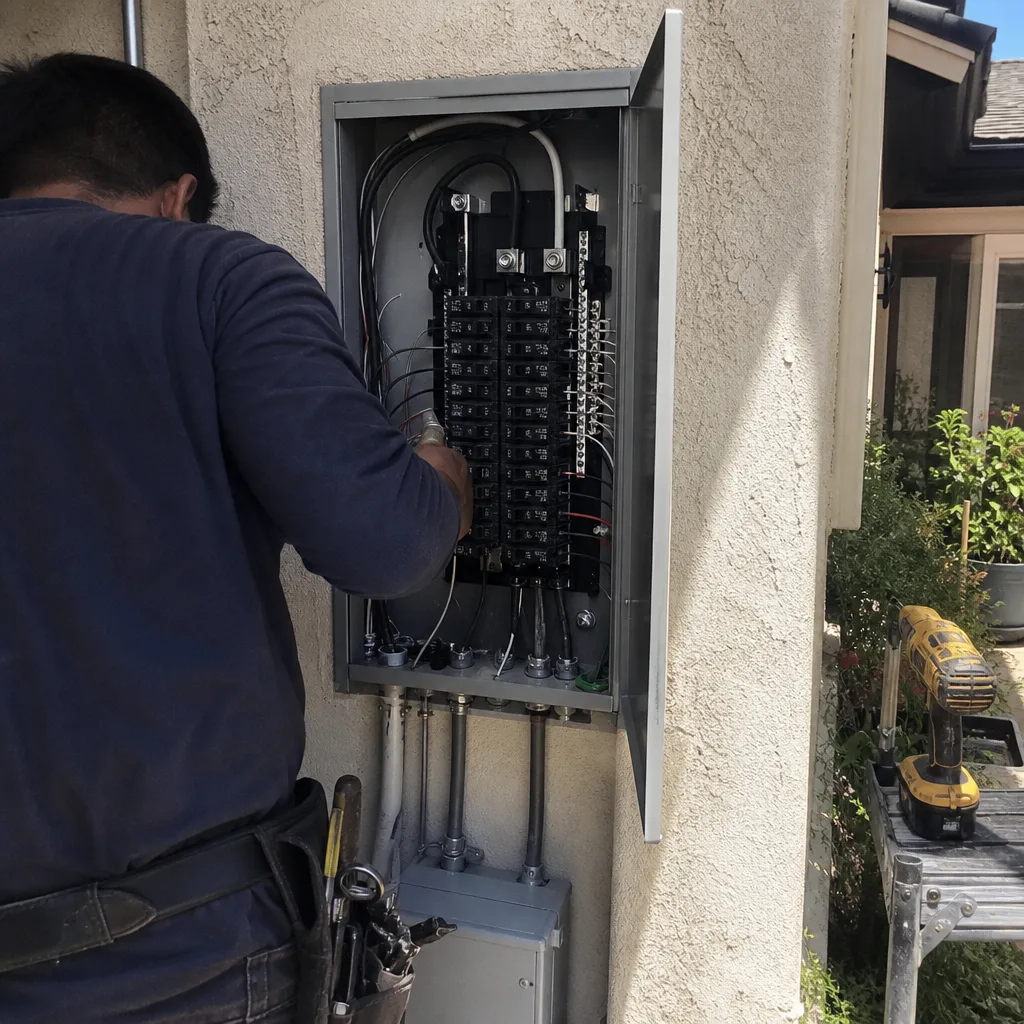
- Electrical panel work and new circuits. Inspectors verify wire gauge, conduit fill, AFCI/GFCI protection, and grounding. Mistakes here are fire hazards, and inspectors know it.
- Plumbing alterations involving DWV (drain-waste-vent) lines. A 1/4-inch-per-foot slope error on a horizontal drain line will fail. We’ve seen DIYers use flexible drain connections that violate UPC 708.3.
- Structural modifications: beam replacement, wall removal, header installation. Carlsbad’s coastal wind exposure and seismic zone D requirements mean inspectors verify engineered solutions, not just dimensional lumber substitutions.
- Roofing exceeding 100 square feet or involving structural decking. The 2022 CRC requires self-adhered membrane at valleys and penetrations in wind-borne debris regions. La Costa and coastal Carlsbad fall under enhanced requirements.
- Gas line work of any scope. This is never DIY-permissible. California requires a C-36 license for gas piping, period.
The documented photo record we provide on every Kitchen Remodeling in Carlsbad project exists precisely because inspectors respond to evidence. Our crews photograph each stage - rough framing, plumbing pressure tests, electrical rough, insulation, final - so if a question arises six months later, the answer is timestamped and verifiable. DIY projects rarely carry this documentation, which leaves the homeowner exposed at resale or claim time.
True Cost Comparison: DIY vs. Professional
The standard internet formula for DIY cost - materials plus your time - is wrong. The true cost includes six categories, and most homeowners account for two.
DIY True Cost Framework
| Cost Category | Typical Range (Carlsbad Market) | Notes |
|---|---|---|
| Materials | Variable by project | Contractor pricing often 15-25% below retail through dealer accounts |
| Tool rental or purchase | $45-$200/day; $300-$2,500 purchase | Wet tile saw, compressor/nail gun, concrete mixer common needs |
| Permit fees | $150-$1,200 | Carlsbad uses valuation-based fee schedule; plan check adds 2-4 weeks |
| Rework and correction cycle | 15-40% of initial material cost | Inspector corrections, failed inspections, damaged materials |
| Time value (opportunity cost) | $35-$150/hour equivalent | Your professional hourly rate, not minimum wage |
| Insurance and liability exposure | Unlimited downside | Denied claims, workers’ comp liability, defect litigation at resale |
Consider a mid-range bathroom remodel in a Carlsbad home, say in the Rancho Carlsbad area. Materials at retail: $4,200. Tool rental for tile saw, compressor, and specialty plumbing wrenches: $380. Permit and plan check: $680. Rework after failed plumbing rough inspection (improper venting): $1,100 in additional materials and another permit re-inspection fee of $180. Time invested: 120 hours across six weekends. At a conservative $50/hour opportunity cost: $6,000.
DIY true cost: approximately $12,540, plus unlimited liability exposure.
Professional bid for equivalent scope, with written price before work starts: $14,500-$16,800, depending on fixture selections. The premium for professional work is $2,000-$4,300 - and includes the permit management, inspection scheduling, warranty, and the 365-Day Done Right Promise that covers defects.
The break-even analysis shifts dramatically for smaller projects. A powder room repaint ($280 materials, no permit, four hours) saves meaningful money. A full Bathroom Remodeling in Carlsbad rarely does, once true cost is calculated.
Under Clause 1 of the Haven Standard, our price is written before anyone starts. That written price includes all six categories above, consolidated into a single number you can screenshot and compare. No estimate ranges that expand by 40 percent mid-project. No “we’ll see when we open the wall.” The number on the page is the number you pay, unless you sign a change order for scope you add.
Projects Where DIY Makes Documented Sense
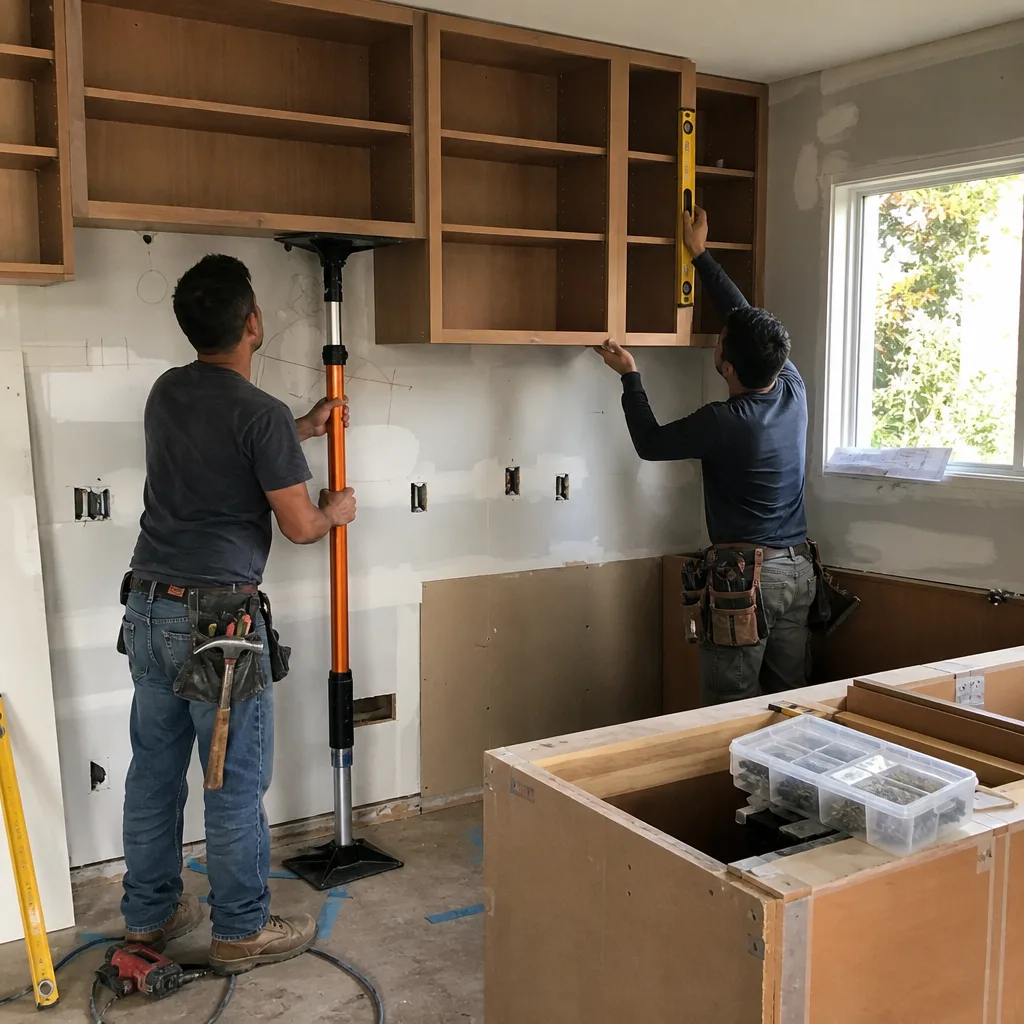
Some construction work in Carlsbad homes genuinely favors owner performance, with minimal permit exposure and clear cost savings. We specify these by trade, with the permit trigger that determines the boundary.
Painting: Interior and Exterior
No permit required for repaint of existing surfaces. DIY savings are substantial: $2,800-$4,500 for a 2,500-square-foot home exterior versus $6,500-$9,500 professional. The critical caveat: lead paint remediation on pre-1978 homes requires EPA RRP certification. If your Carlsbad home was built before 1978 and you disturb painted surfaces, you must be RRP-certified or hire someone who is. Fines start at $37,500 per violation.
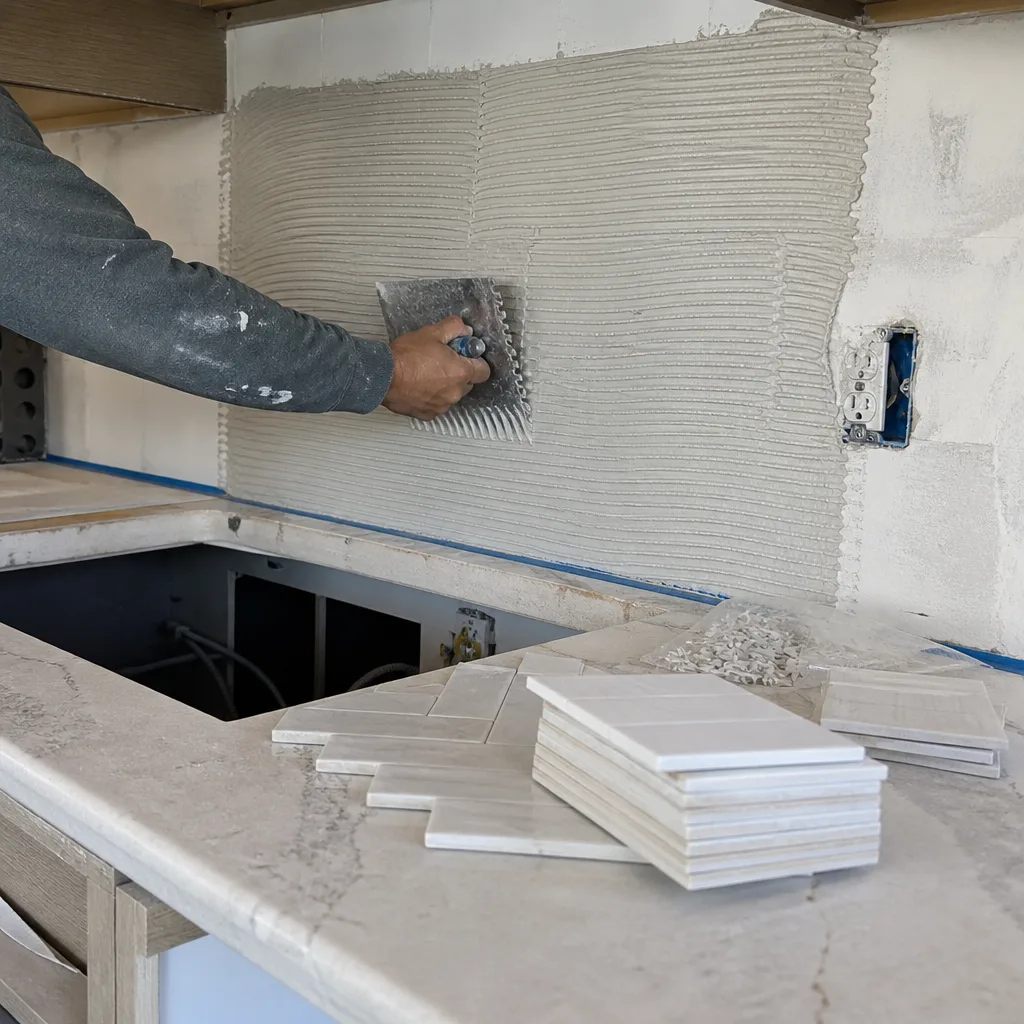
Tile Backsplash: Non-Wet Areas
Kitchen backsplashes behind counters, not behind ranges with gas lines, are excellent DIY projects. No permit. Materials for a standard kitchen: $400-$800. Professional installation: $1,800-$2,800. Tool rental for a wet saw: $65/day. The work is forgiving; imperfect cuts hide under cabinets and behind outlets.
Cabinet Hardware and Interior Trim
Replacing knobs and pulls, installing crown molding in non-structural applications, baseboard replacement - all permit-exempt. Savings: 60-70 percent of professional labor. The skill threshold is moderate; YouTube instruction is generally adequate. We specify hardware from brands like KraftMaid and Wellborn in our kitchen quotes, and both publish detailed installation guides that match their product tolerances.
Landscaping: Non-Structural Hardscape and Planting
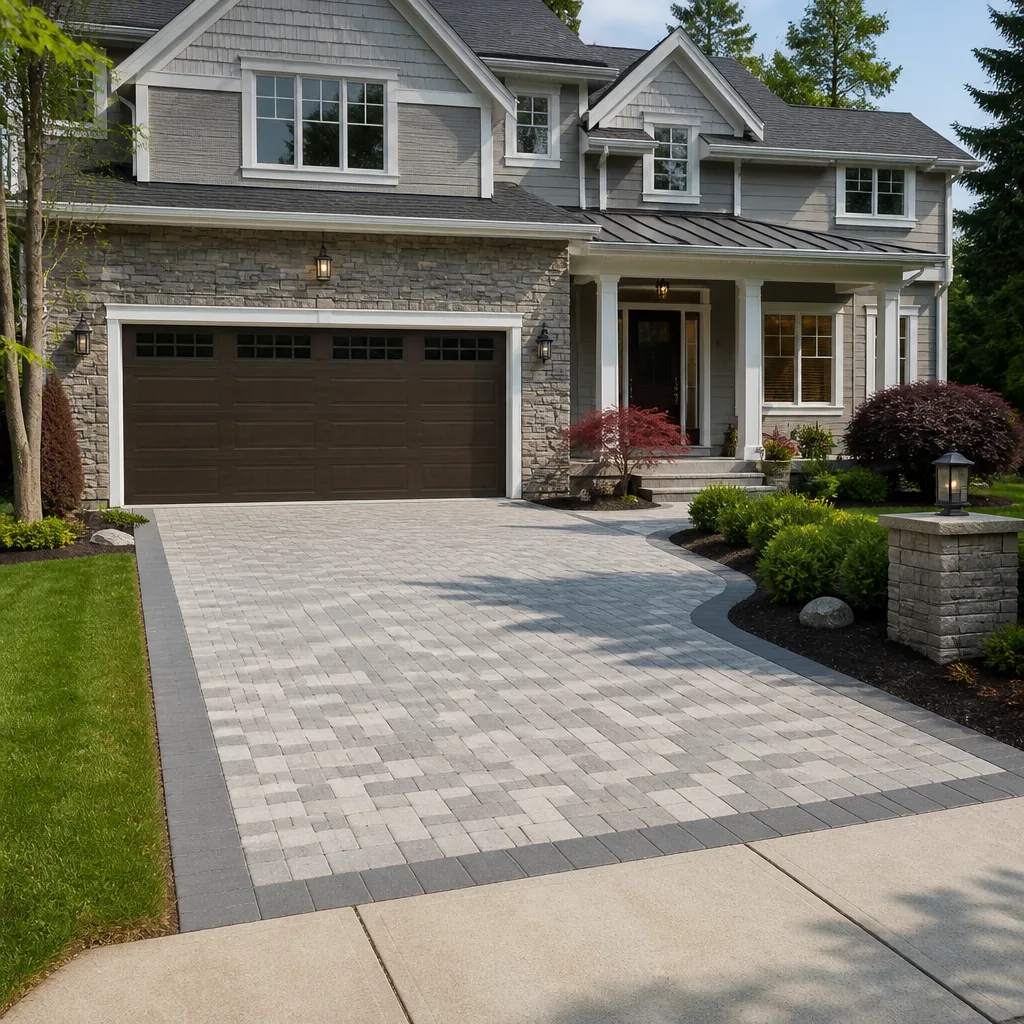
Pavers on sand base (not mortared), planting, irrigation repair - no permit under 30 inches depth. The boundary: retaining walls over 30 inches, concrete pours over 50 square feet, and any gas line for outdoor kitchens trigger permits. Belgard and Techo-Bloc pavers, which we source for Rowan Construction Group Carlsbad home projects, publish DIY installation guides that specify base preparation and edge restraint - the two failure points we see most often in homeowner installations.
What to Never DIY, Regardless of Skill
- Electrical panel work, new circuits, or anything involving the main service
- Gas line installation, modification, or appliance connection
- Structural wall removal or modification, including apparent “non-load-bearing” walls that carry roof or floor loads
- Roofing involving structural decking, flashing at walls, or valley replacement
- Window and door replacement in stucco or masonry walls (water intrusion risk, structural header requirements)
- Any work on a home you intend to sell within 12 months (Section 7044 disclosure obligation)
The Insurance Coverage Gap Nobody Talks About
Your homeowner’s insurance policy contains exclusions you probably haven’t read. The standard ISO HO-3 form, used by most Carlsbad insurers, excludes damage caused by “faulty, inadequate, or defective” work performed by the insured or at their direction. The exclusion is broad and has been interpreted to deny claims where DIY work was the proximate cause, even if the workmanship was competent.
Here’s a documented scenario from the North County insurance market. A Carlsbad homeowner in the Aviara area self-performed a bathroom exhaust fan replacement, running new ductwork through the attic. The installation was technically competent - proper slope, insulated duct, correct CFM rating. Six months later, condensation in an uninsulated section of duct (a detail the homeowner missed) caused ceiling damage. The insurer denied the claim, citing the workmanship exclusion. The homeowner’s $8,000 repair cost was unrecoverable.
The critical distinction: work performed by a licensed contractor is generally covered under the contractor’s general liability and completed operations coverage, and your homeowner’s policy treats it differently. When a licensed C-36 plumber installs a water heater and it leaks, your insurer typically pays the damage claim and subrogates against the plumber’s insurance. When you install it yourself, the exclusion applies directly to you.
Workers’ compensation exposure is equally severe. If your neighbor assists with your roof repair, falls, and is injured, you are personally liable for medical costs and disability. Your homeowner’s policy likely contains a “business pursuits” exclusion that bars coverage for construction work performed with the intent to save money versus hiring a professional. We’ve reviewed policies where the exclusion is explicit: “This policy does not cover bodily injury arising out of the rendering of or failure to render professional services, including construction, alteration, or repair services.”
The 365-Day Done Right Promise exists in part to address this gap. When Rowan performs the work, our general liability and workers’ compensation coverage is primary. Our written warranty is a contract you can present to your insurer. The documented photo record proves the work was performed by a licensed entity, not an owner-builder project that triggers exclusions.
When Professional Work Is Required by Code
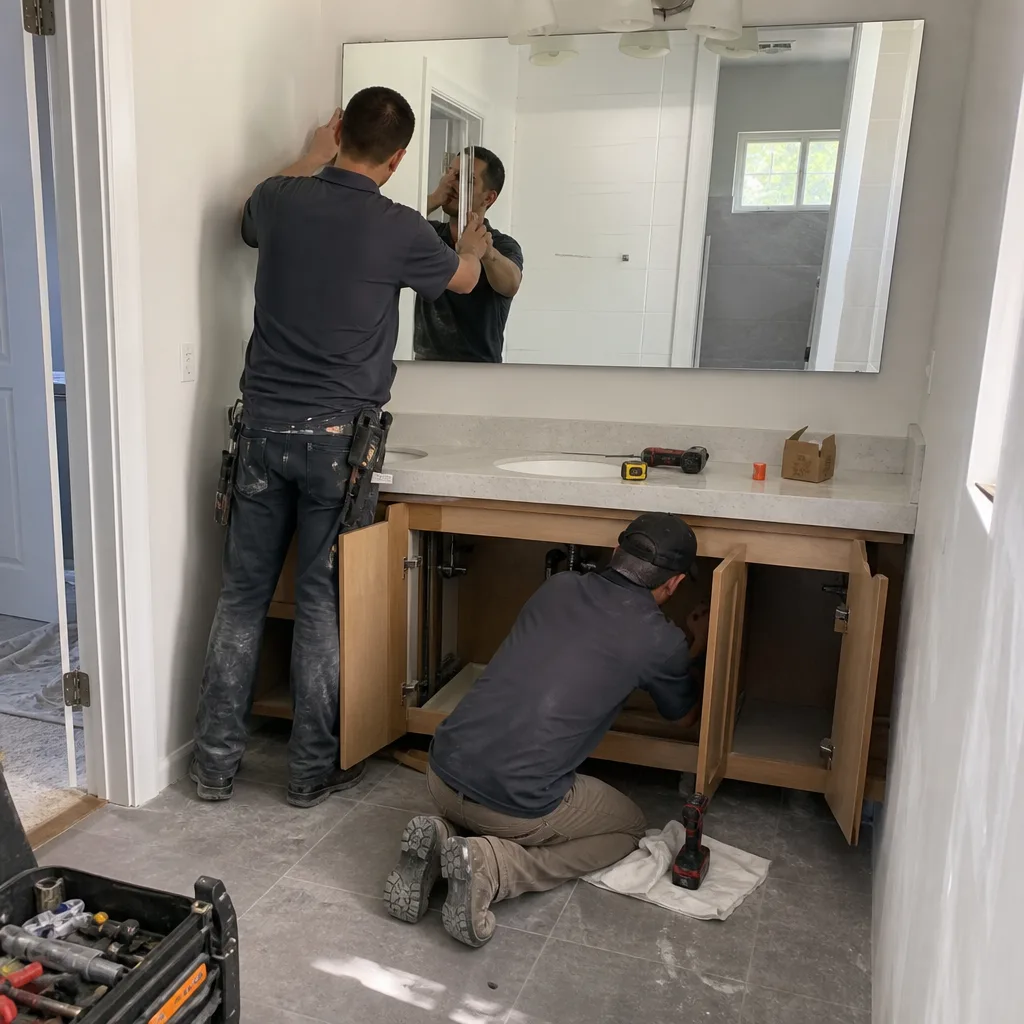
Beyond the insurance and liability analysis, California code simply mandates licensed contractors for certain work. These are not suggestions; they are statutory requirements with criminal penalties for violation.
Electrical: C-10 License Required
Any electrical work beyond “like-for-like” device replacement requires a C-10 license. New circuits, panel upgrades, recessed lighting installation, EV charger circuits - all require licensed electrical contractors in California. Carlsbad inspectors verify C-10 license at electrical rough and final. Homeowner permits for electrical work are technically available but functionally useless: the inspector will ask for license verification on any non-trivial work.
Plumbing: C-36 License Required
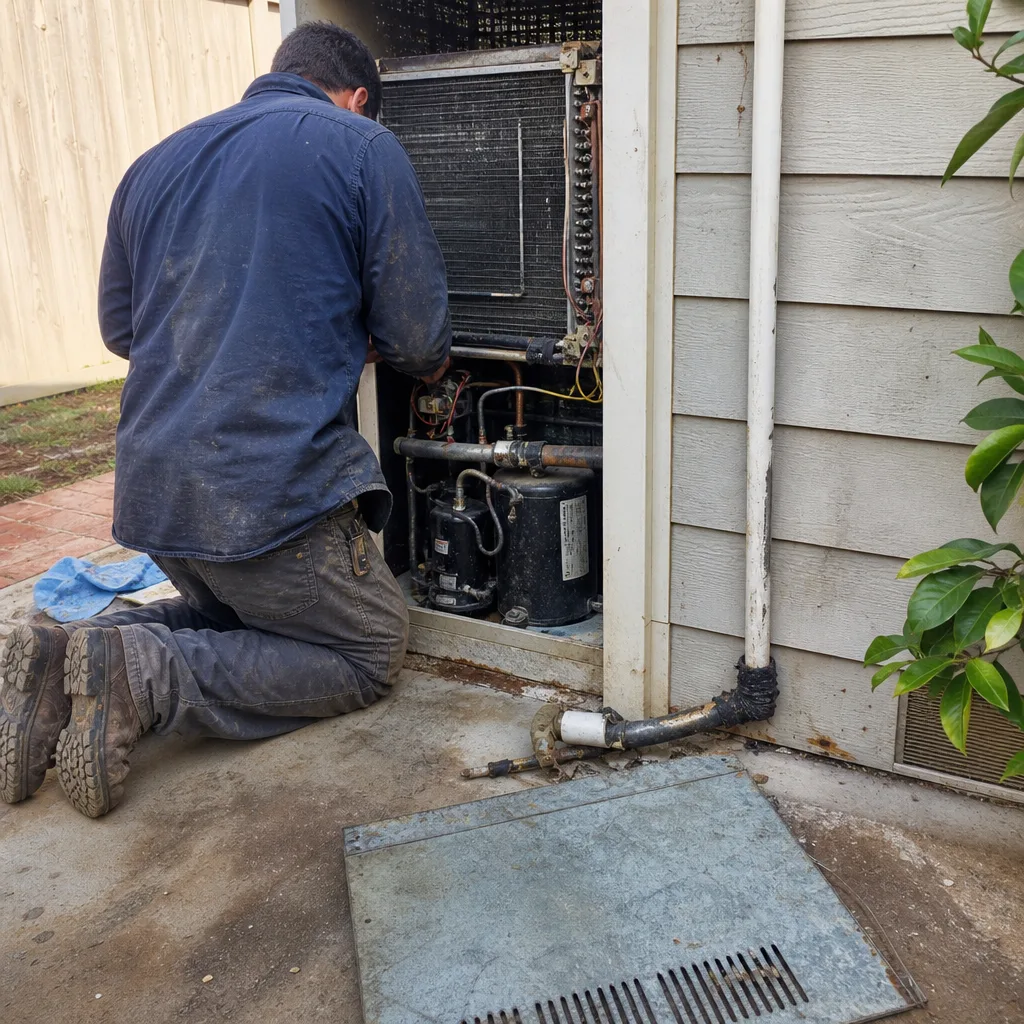
Water heater replacement, fixture relocation, DWV modifications, gas line work - all require C-36 license. The gas line restriction is absolute: no homeowner exemption exists for gas piping of any scope. We’ve responded to emergency calls in Carlsbad where a homeowner’s self-installed gas line to an outdoor kitchen developed a leak; the fire department red-tagged the system and the gas utility required C-36 sign-off before restoration.
Structural: A or B License Required
Any work affecting the structural integrity of the building - beam replacement, wall removal, foundation repair, second-story additions - requires an A (General Engineering) or B (General Building) contractor license. The engineering analysis, permit plans, and inspection sequence are beyond owner-builder scope.
Roofing: C-39 License Required
California requires C-39 licensing for roofing exceeding 100 square feet or involving structural decking repair. Given Carlsbad’s coastal wind exposure, inspectors scrutinize fastening patterns, underlayment type, and valley detail. Roofing in Carlsbad projects we perform use GAF or Owens Corning systems with specified nail patterns and self-adhered membrane at all valleys - details that trigger permit approval and warranty coverage.
Windows and Doors: C-17 or B License Required
Replacement in existing openings may not require permit if dimensions are unchanged. Enlargement, structural header modification, or stucco integration requires licensed contractor work. The water intrusion risk in Carlsbad’s marine climate makes this a high-stakes decision; we’ve repaired $15,000 in rot damage from a homeowner’s self-installed French door that lacked proper sill pan and flashing integration. Our Seasonal Construction Care for Carlsbad: Year-Round Homeowner’s Guide covers how to prevent such issues.
How to Hire Right If You Go Professional
If the analysis above points toward professional work, the next decision is selection. The Carlsbad contractor market includes licensed professionals, unlicensed operators, and handyman services that occupy a gray zone. Here’s how to distinguish them.
Step 1: Verify License Status
Check the CSLB website for current license, bond, and workers’ compensation status. The license number should appear on every proposal, advertisement, and contract. Rowan’s license number is on every page of our site and every document we issue - not buried, not omitted.
Step 2: Demand Written Price Before Work Starts
Under Clause 1 of the Haven Standard, the written price is delivered before any work starts, every time. No exceptions. If a contractor says “we need to get started to know the real cost,” that’s a disqualifier. Our quotes specify material brands (KraftMaid, Wellborn, Cambria, Caesarstone, GAF, Owens Corning, Kohler, Toto, Belgard, Techo-Bloc), quantities, labor hours, and permit costs - line-itemed, not lump-sum mystery.
Step 3: Review the Change Order Discipline
Ask specifically: “What happens when I want to add scope mid-project?” The answer should be: signed change order, written price, no work proceeds until signed. This discipline, which Haven acquired Rowan for in 2019, is what keeps projects within a few percent of the agreed number. We’ve delivered 4,000-plus projects since 2007; the variance from written price to final invoice averages under 3 percent, because the change order system prevents scope creep without documentation.
Step 4: Confirm Documentation Deliverables
The documented photo record should be standard, not optional. Every visit, every stage, timestamped and delivered. Our customers receive a link to their project gallery before the crew leaves the site. This is not a premium feature; it’s Clause 3 of the Haven Standard.
Step 5: Use the Free Second Opinion
Bring any competitor’s written estimate to Rowan. We’ll review it line by line at no charge. We’ve identified $4,000 in omitted permit costs on competitor quotes, underspecified materials, and labor line items that didn’t match the scope description. The second opinion costs nothing and often saves substantial money.
Common Mistakes to Avoid
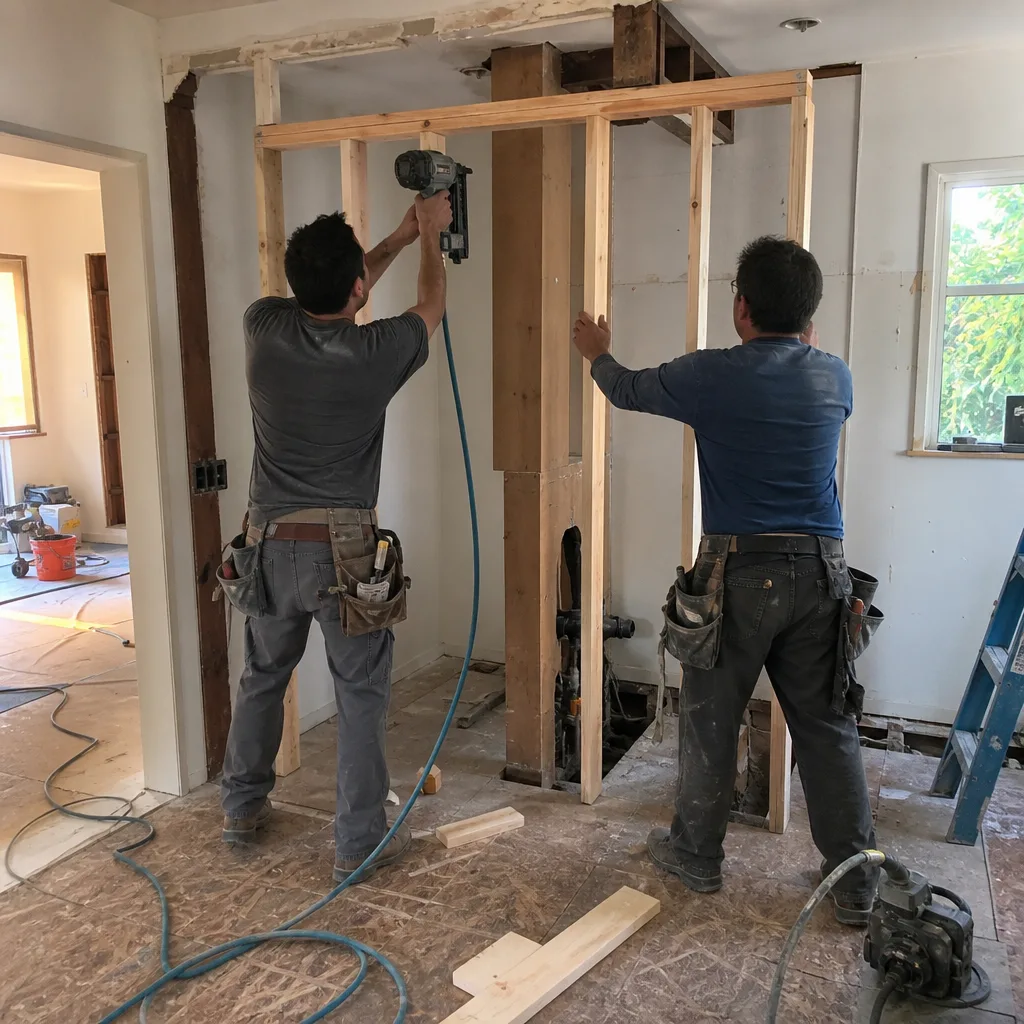
- Hiring unlicensed help for “just a day.” That $100/day laborer voids your insurance and creates workers’ comp exposure. The savings evaporate if anyone gets hurt or anything fails.
- Pulling a homeowner permit for work you don’t intend to self-perform. Carlsbad inspectors can require the permit holder to be present. If you pulled the permit and the unlicensed worker shows up alone, the inspection fails and the permit is red-tagged.
- Assuming “non-load-bearing” means safe to remove. In Carlsbad’s 1970s-1990s tract construction, many walls labeled non-load-bearing in original plans carry roof bracing or shear panels for seismic resistance. Removal without engineering analysis is a code violation and safety hazard.
- Skipping permit for “minor” electrical or plumbing. The work may function, but the absence of permit and inspection creates a disclosure obligation at sale and voids insurance coverage for resulting damage.
- Using retail material pricing to compare against contractor bids. Our dealer pricing on KraftMaid cabinets, James Hardie siding, or Tuff Shed structures runs 15-25 percent below retail. Your DIY material cost is higher than you think.
- Ignoring the 12-month resale disclosure. If you might sell within a year, Section 7044 requires disclosure of owner-builder work. That disclosure, even for perfect work, triggers buyer renegotiation that often exceeds the original professional premium.
- Confusing YouTube competence with code compliance. A video showing “how I did it” is not a code reference. California’s building code is 2,000-plus pages; the video that worked in Arizona or Florida may violate California amendments.
When to Call a Professional
Call a licensed contractor when the project requires a permit, involves electrical, plumbing, gas, or structural work, or when the true cost analysis shows less than $3,000 savings for DIY. Call when your homeowner’s policy would exclude coverage for self-performed work. Call when you intend to sell within 12 months and want clean disclosure. Rowan Construction Group Carlsbad offers free estimates in Carlsbad - call (858) 815-9080 - and explore more guides & resources on protecting your investment. We’ll deliver a written price before any work starts, with line-item material specifications from our fifty-plus vetted brands, and the documented photo record that protects your investment and your insurance coverage.
Frequently Asked Questions
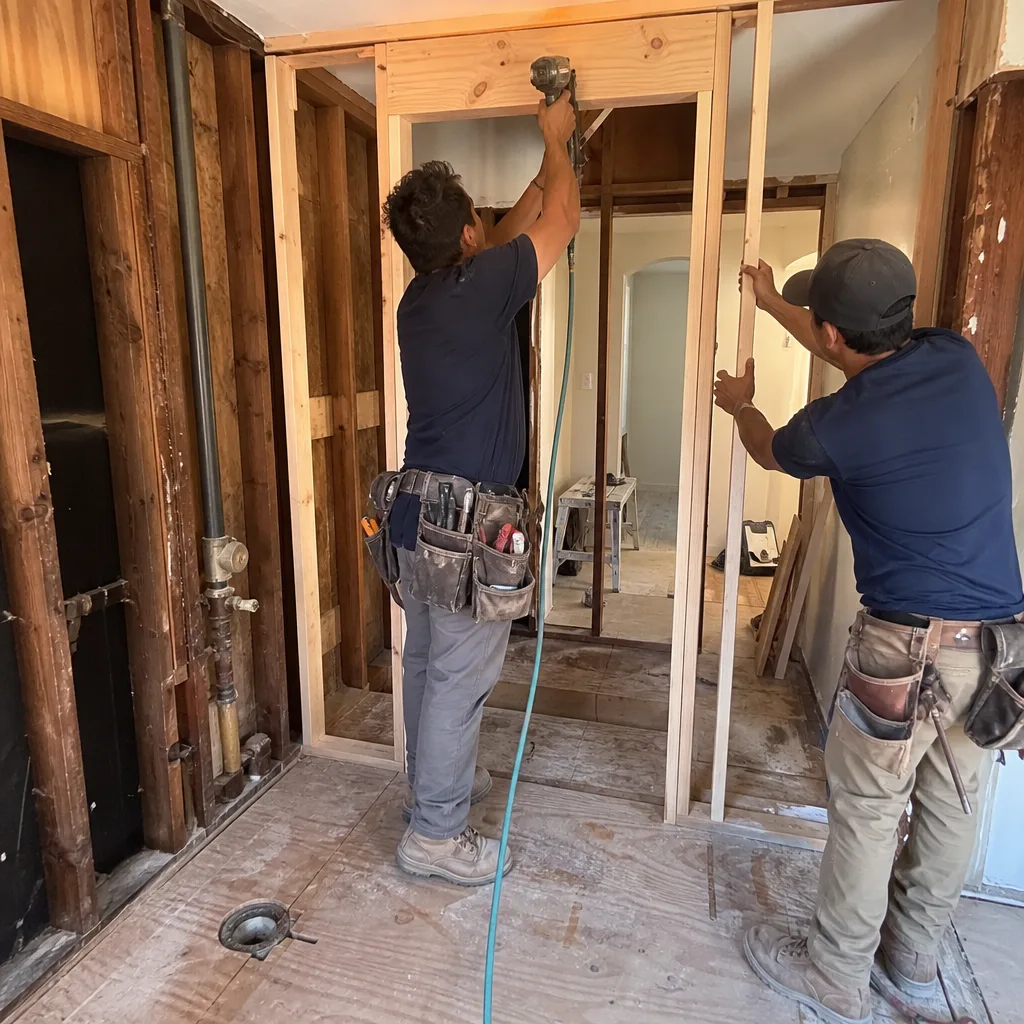
No, not in any meaningful sense. California technically allows homeowners to self-perform electrical work on their principal residence under Section 7044, but Carlsbad inspectors require C-10 license verification for any non-trivial electrical inspection. New circuits, panel work, and recessed lighting all require a licensed C-10 electrical contractor to pass inspection. Call (858) 815-9080 for a written electrical quote.
Carlsbad uses a valuation-based fee schedule. For a $25,000 kitchen remodel, permit and plan check fees typically run $680-$1,150, with additional fees for electrical, plumbing, and mechanical sub-permits. Re-inspection fees after failed inspections are $180 per occurrence. These costs are included in our flat written quotes, not added later. Call (858) 815-9080 for permit cost detail on your specific project.
Probably not. Standard HO-3 policies exclude damage from “faulty, inadequate, or defective” work performed by the insured. If your self-installed toilet supply line fails and causes $15,000 in floor damage, your insurer will likely deny the claim. Work by a licensed C-36 plumber is covered under their liability policy, and your insurer can subrogate if defects occur. Call (858) 815-9080 to schedule plumbing work with proper coverage protection.
California Civil Code Section 1102 requires disclosure of any construction performed under the owner-builder exemption within the previous 12 months. The disclosure itself is not a defect, but it triggers buyer scrutiny, potential re-inspection, and price negotiation. Professional work with permits and contractor documentation requires no special disclosure. Call (858) 815-9080 if you’re planning work before a sale.
Only if the handyman is your bona fide employee with workers’ compensation coverage. Paying cash to an unlicensed helper creates an unlicensed contractor relationship that voids your homeowner’s insurance and exposes you to unlimited workers’ comp liability if they’re injured. The legal risk far exceeds any labor savings. Call (858) 815-9080 for a professional quote that includes insured, background-checked labor.
You can’t determine this by visual inspection alone. In Carlsbad’s 1970s-1990s construction, many walls carry roof bracing, shear panels, or floor loads not obvious from below. A structural engineer or B-licensed contractor must review the original plans or perform analysis. Removing a wall without this verification risks structural failure and code violation. Rowan provides structural assessment as part of our Kitchen Remodeling in Carlsbad and addition services - call (858) 815-9080 to schedule.
The Bottom Line
The DIY versus professional question in Carlsbad construction resolves to three factors: legal permissibility under Section 7044, insurance coverage continuity, and true cost including time, tools, permits, and liability exposure. Painting, hardware, non-wet tile, and basic landscaping favor capable homeowners. Electrical, plumbing, gas, structural, and permitted work favor licensed professionals - not because homeowners lack skill, but because California code, insurance contracts, and Carlsbad inspection practice make professional engagement the lower-risk, often lower-cost path. The Haven Standard exists to make that professional engagement transparent: written price first, signed change orders for any adjustment, documented photo record on every visit, and the 365-Day Done Right Promise that the work will be done right or made right.
Written by Grant Rowan, Owner at Rowan Construction Group Carlsbad, serving Carlsbad since 2007.